
E-commerce SEO Audit Services That Diagnose Why Your Store Is Losing Revenue to Search Competitors
Your traffic plateaued six months ago. Your conversion rate is fine but your organic sessions keep declining. Competitor product pages are outranking yours for keywords you used to own. Something is wrong, but your analytics dashboard cannot tell you what.
That is what ecommerce SEO audit services exist to answer. Not a 200-issue tool export. A forensic investigation that finds the specific technical, on-page, and structural problems suppressing your store's rankings and walks you out with a prioritized fix list ranked by revenue impact.
Free Ecommerce SEO Audit
Get in Touch
The Symptoms We Investigate When Stores Request an SEO Audit
Most ecommerce SEO audit requests come from store owners noticing one or more of these patterns. If any of these sound like your store, the diagnostic process below applies directly to your situation.
Symptom 1: Organic Traffic Has Plateaued or Declined
Your store grew steadily for a period, then organic sessions flattened or started dropping. Marketing spend has not changed. Product mix has not changed. Content production has not stopped. But Google's traffic to your store is no longer growing the way it used to. This pattern almost always points to a combination of technical decay (issues that accumulated over time) and competitive displacement (competitors who improved while you stayed static).
Symptom 2: Product Pages Are Not Ranking for Their Target Keywords
You have well-written product pages targeting specific keywords with decent search volume. Some of them rank. Most of them do not. The pages that should be your highest-converting traffic sources are buried on page two or three. This pattern usually points to keyword cannibalization, weak internal linking, thin or duplicated product content, or missing schema markup.
Symptom 3: Category Pages Rank Poorly Despite Strong Backlink Profiles
Your category pages have backlinks from quality sources. They should be ranking competitively. They are not. This pattern almost always indicates a faceted navigation problem, a canonical tag misconfiguration, or category page content that fails to satisfy search intent for the queries it should target.
Symptom 4: Google Search Console Shows Indexation Anomalies
Search Console reports show thousands of pages excluded from the index, soft 404s on product pages, redirect issues, or crawled but not indexed warnings climbing month over month. These are loud signals that something is structurally wrong, and they almost always trace back to faceted navigation, redirect chains, or crawl budget waste.
Symptom 5: Core Web Vitals Failed and Nobody Knows Why
Page Experience reports show poor or needs improvement scores for your product or category templates. Your developer says the site is fast. Your hosting is on a premium tier. But mobile users still see slow loading times and Google measures it. This pattern points to render-blocking resources, unoptimized images, third-party script bloat, or layout shift issues that require specialist investigation.
If any of these symptoms describe your store, an SEO audit will identify what is actually causing them.
The Eight Diagnostic Categories Covered in Our Ecommerce SEO Audit
Every ecommerce SEO audit examines eight distinct diagnostic categories. Each category is investigated independently, then findings are cross-referenced to identify root causes that affect multiple symptoms simultaneously.
Diagnostic Category 01: Crawl Budget and Indexation
How efficiently is Googlebot crawling your store, and which pages are actually getting indexed? This investigation covers XML sitemap accuracy, robots.txt configuration, crawl frequency by template type, indexation status across product and category pages, soft 404 incidents, and the patterns Google Search Console reveals about how your site is being processed. Stores with crawl budget waste typically have thousands of low-value URLs being crawled at the expense of pages that should be indexed.
Diagnostic Category 02: Faceted Navigation and Filter URLs
Category filters, size selectors, color choices, and other faceted navigation systems generate URL combinations that frequently number in the hundreds of thousands. Most ecommerce platforms generate these URLs by default and most store owners are unaware that Google may be crawling and partially indexing many of them. The audit identifies which filter URLs are being crawled, which are wasting crawl budget, and which should be indexed, nonindexed, canonicalized, or blocked from crawling entirely.
Diagnostic Category 03: Duplicate Content and Keyword Cannibalization
This investigation identifies near-duplicate content patterns across product variants, multiple categories targeting the same query, blog content competing with category pages, and the cannibalization patterns that cause Google to pick a weaker page over a stronger one for your most important keywords. Cannibalization is one of the most common but least diagnosed issues in mid-size ecommerce stores.
Diagnostic Category 04: Schema Markup and Structured Data
Product schema, Offer schema, AggregateRating, Review markup, BreadcrumbList, and Organization schema are all validated against current Google requirements. Missing schema, malformed schema, and schema that does not match visible page content are all identified. Stores with broken or missing Product schema lose rich result eligibility and competitive visibility on shopping-intent searches.
Diagnostic Category 05: Core Web Vitals and Page Experience
LCP, INP, and CLS scores are examined across product page templates, category templates, and the homepage. Each failing metric is traced to its root cause: render-blocking scripts, unoptimized hero images, third-party trackers, layout shift sources, or hosting performance. Generic page speed advice rarely solves ecommerce CWV issues because the causes are template-specific. This audit identifies the specific causes in your stack.
Diagnostic Category 06: On-Page and Content Depth
Title tag patterns, meta description quality, heading hierarchy, content depth on category pages, product description uniqueness, image SEO, and internal linking patterns are all examined. The audit identifies content depth gaps, missing keyword targets, and template-level on-page issues affecting visibility at scale.
Diagnostic Category 07: Site Architecture and Internal Linking
How does authority flow through your site? Are category pages getting strong internal links from supporting content? Are product pages discoverable within three clicks from the homepage? Is your URL structure logical and shallow? This investigation identifies architectural issues that suppress rankings across the entire catalog rather than affecting individual pages.
Diagnostic Category 08: Backlink Profile and Off-Page Signals
Your current backlink profile is analyzed for depth, quality, topical relevance, and risk. Lost links from historical sources are identified for recovery. Competitor backlink gap analysis identifies link sources that are linking to your top three organic competitors but not to you. Toxic links are flagged for review.
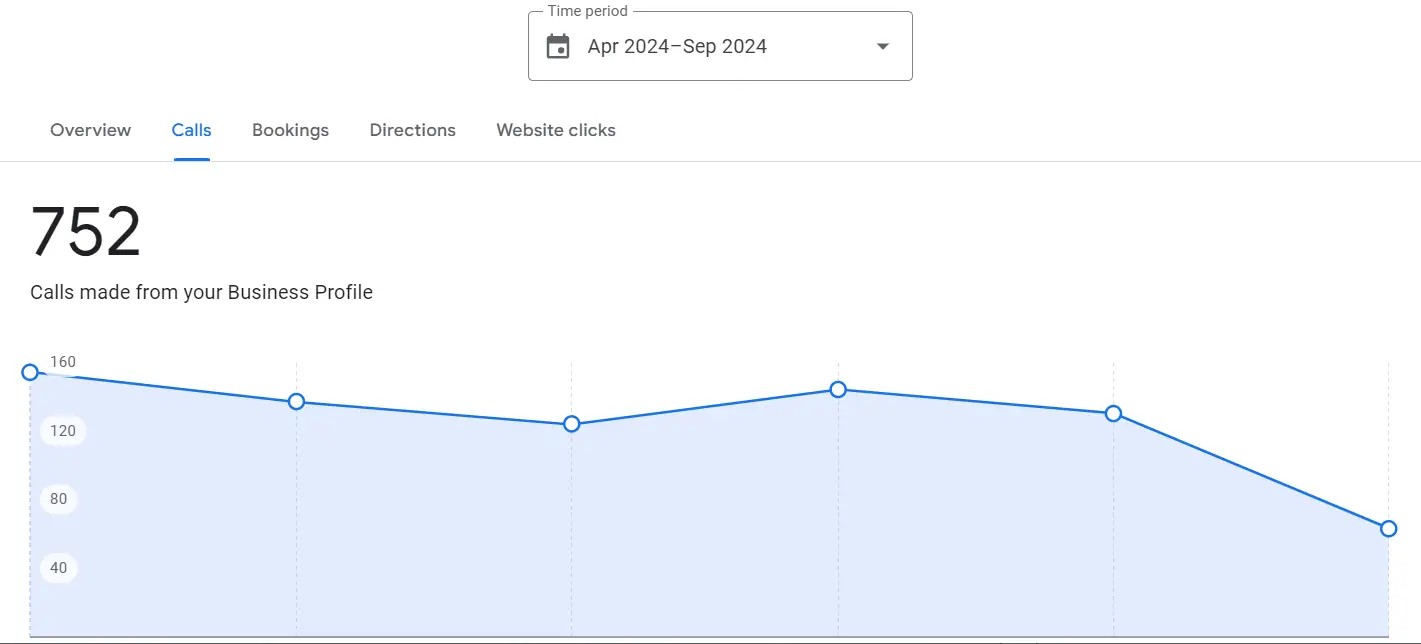
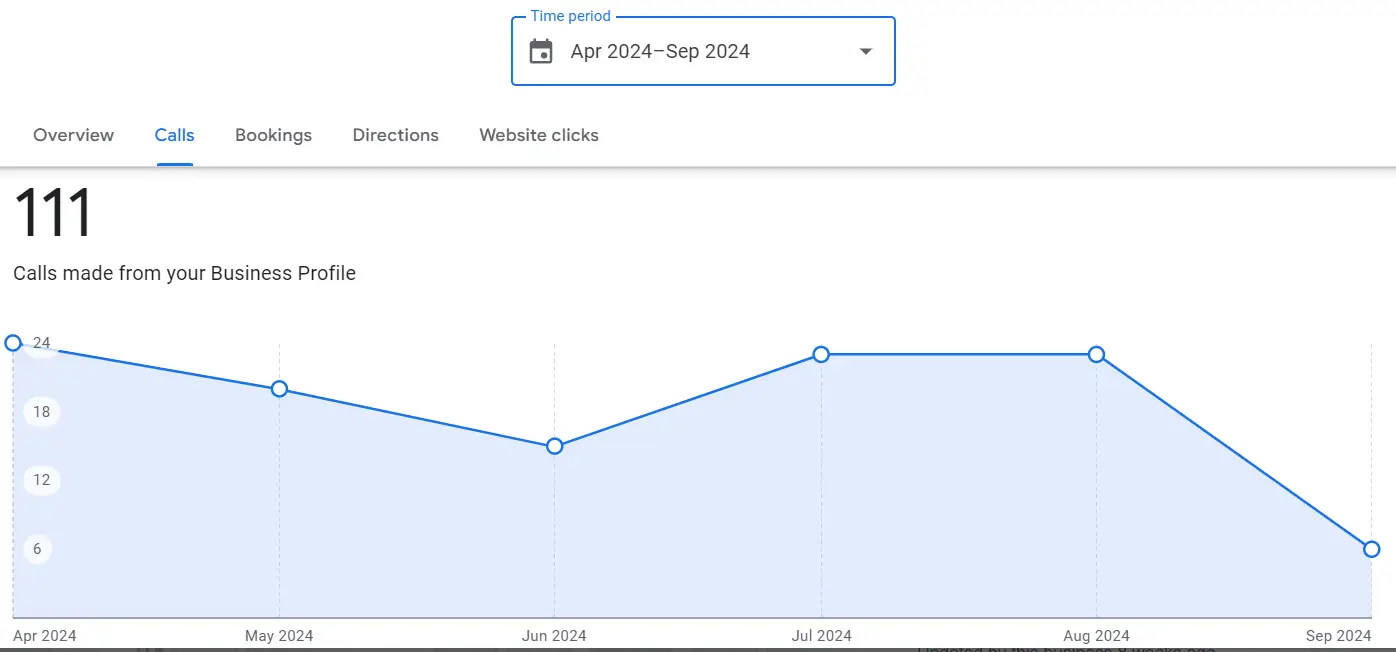
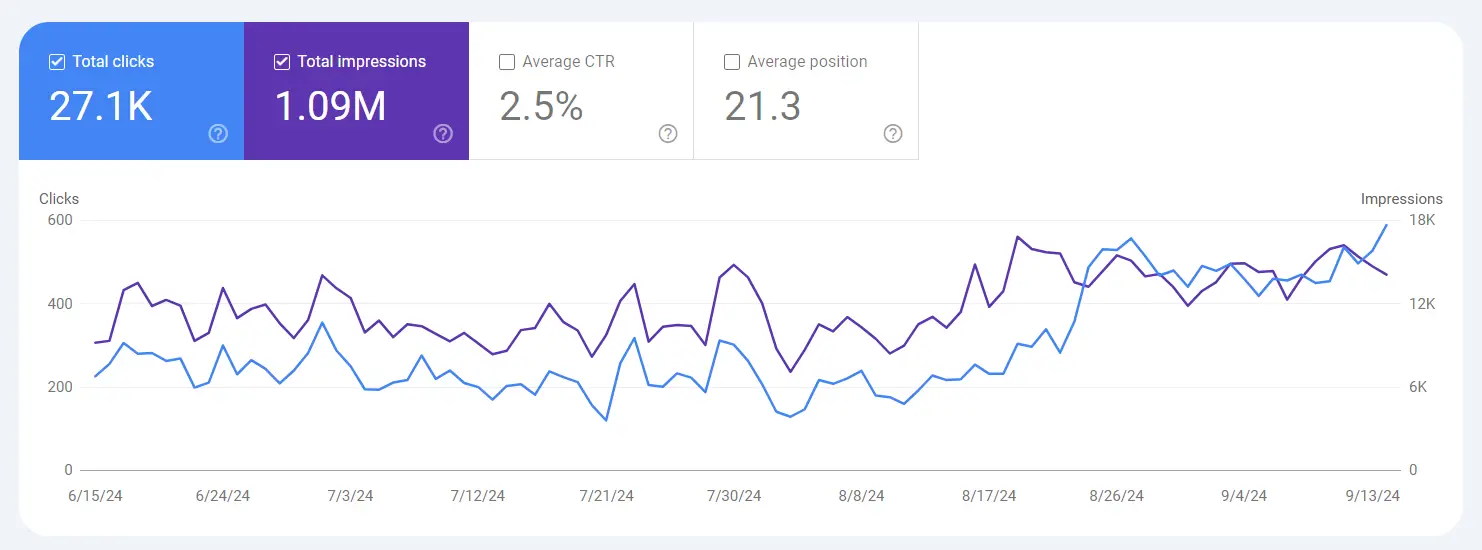
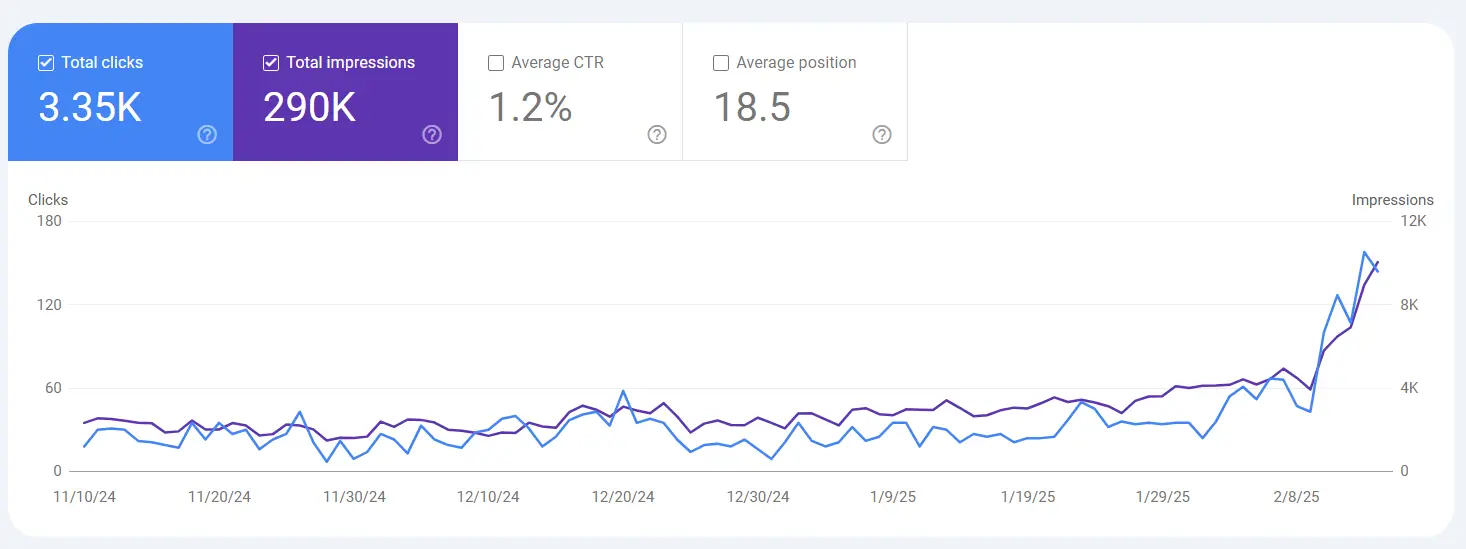
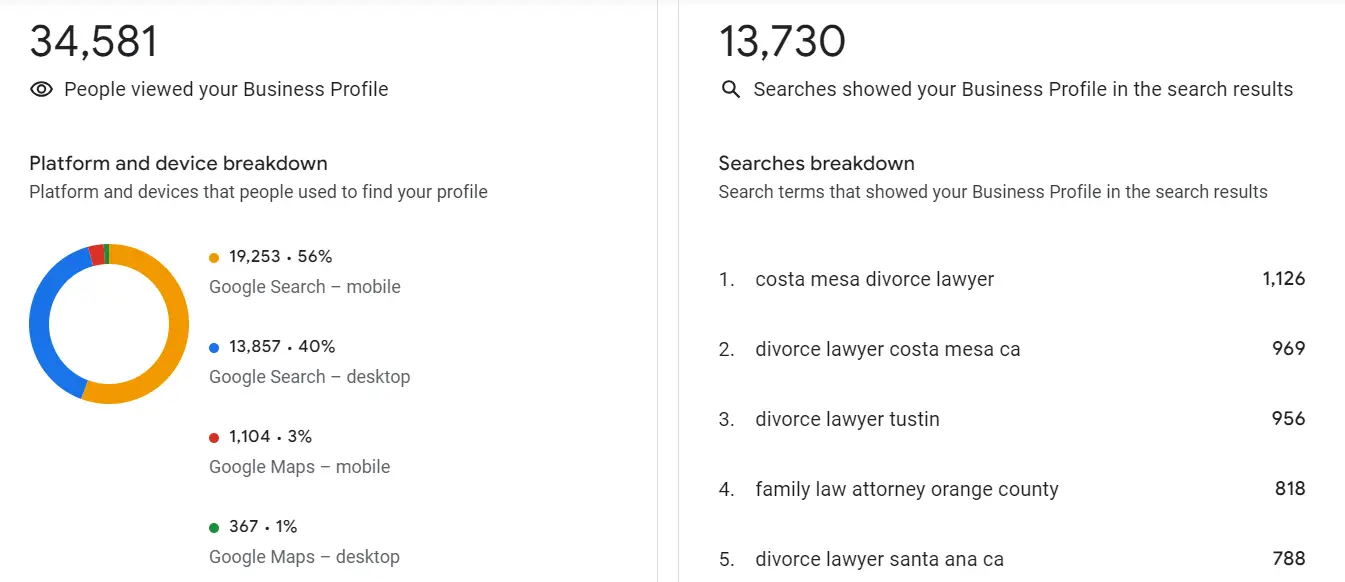
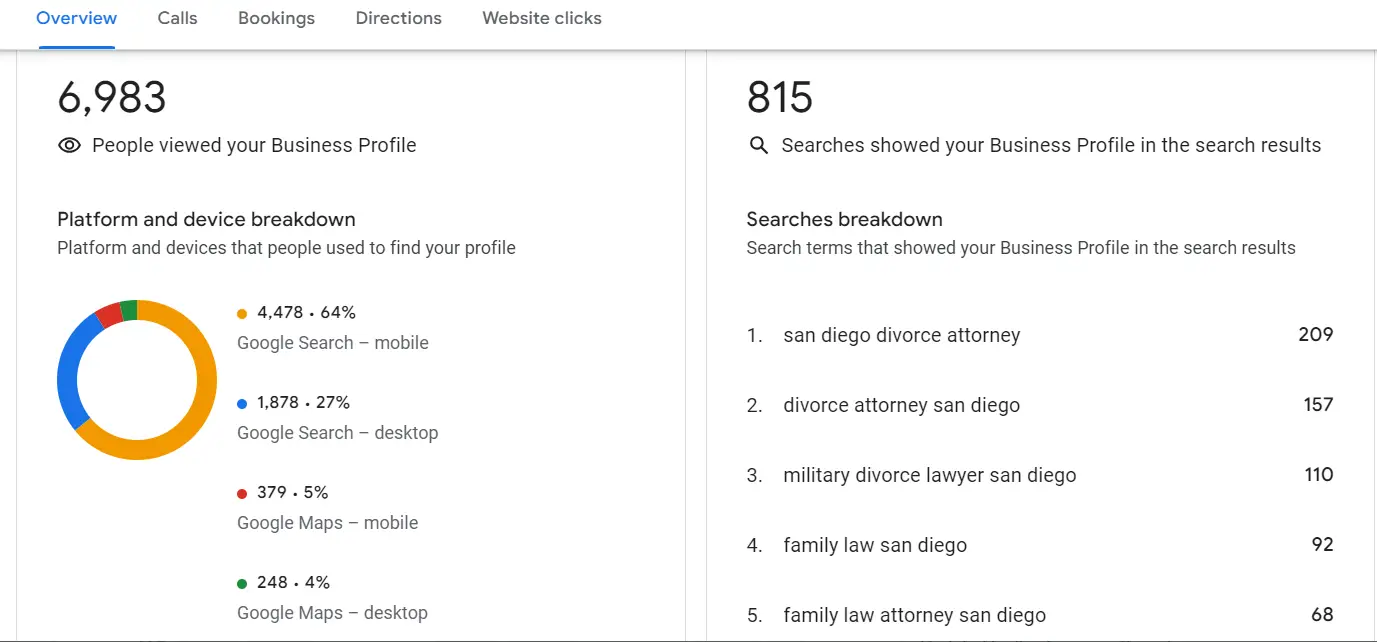
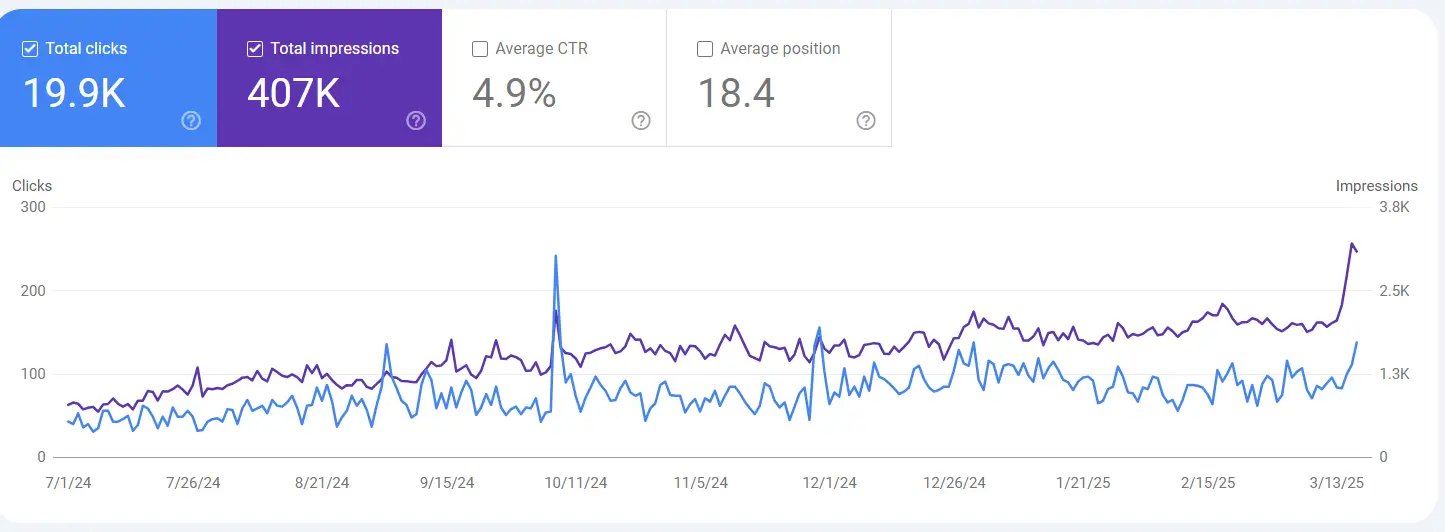
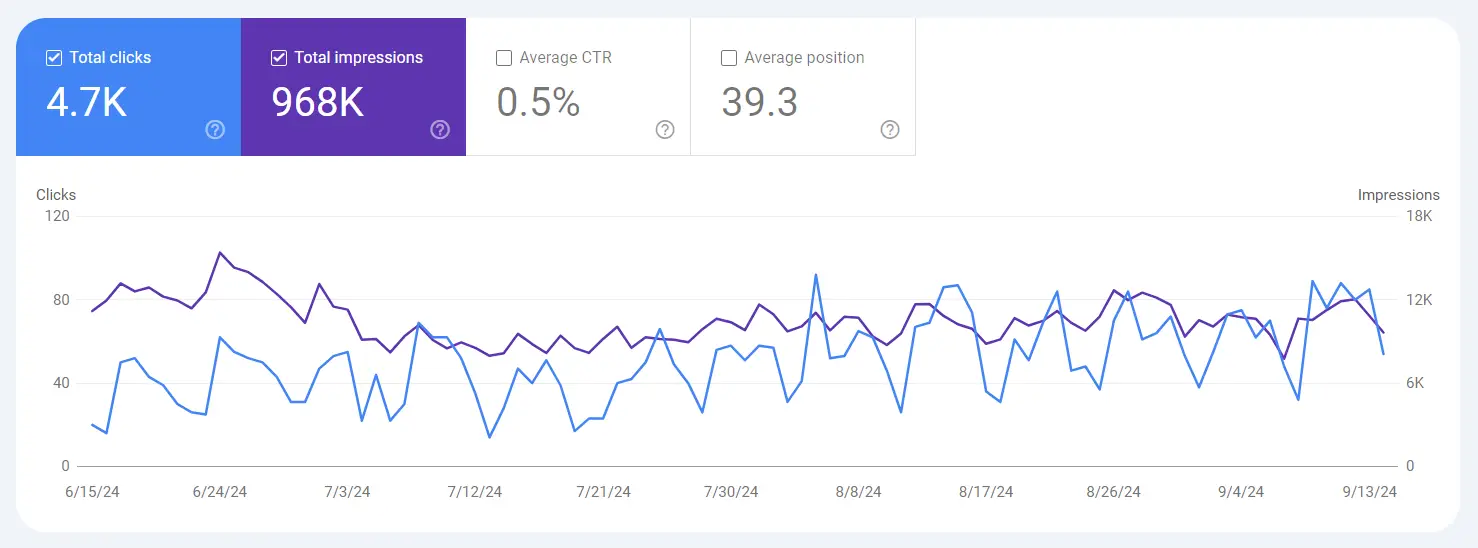
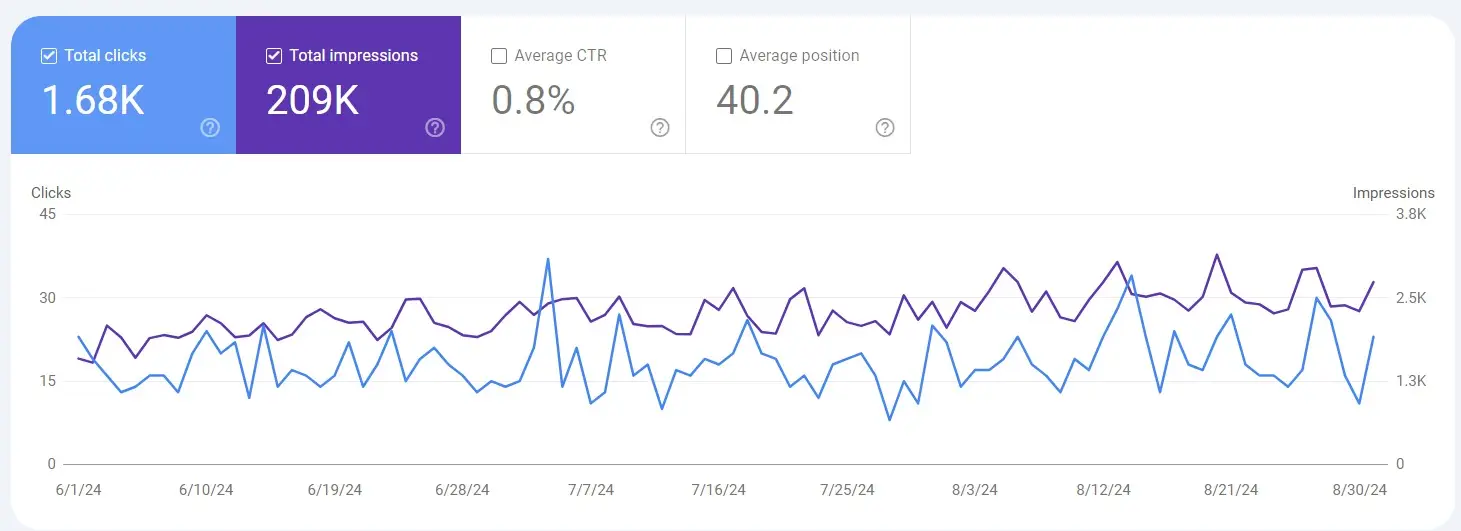
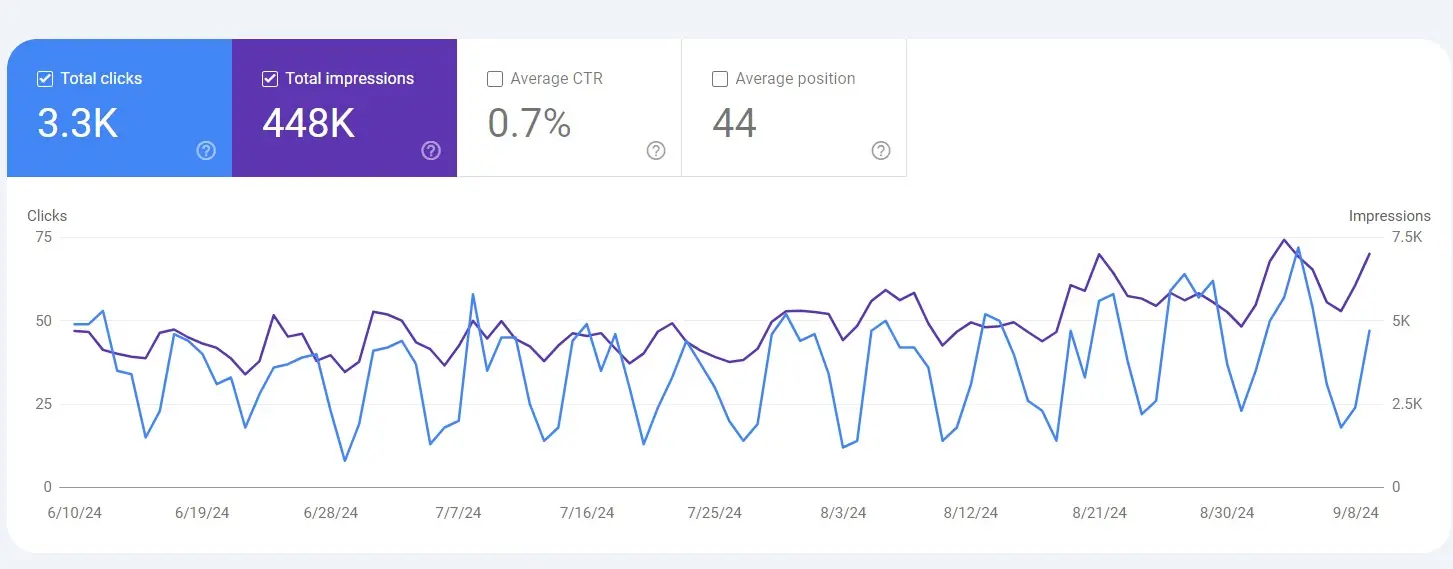
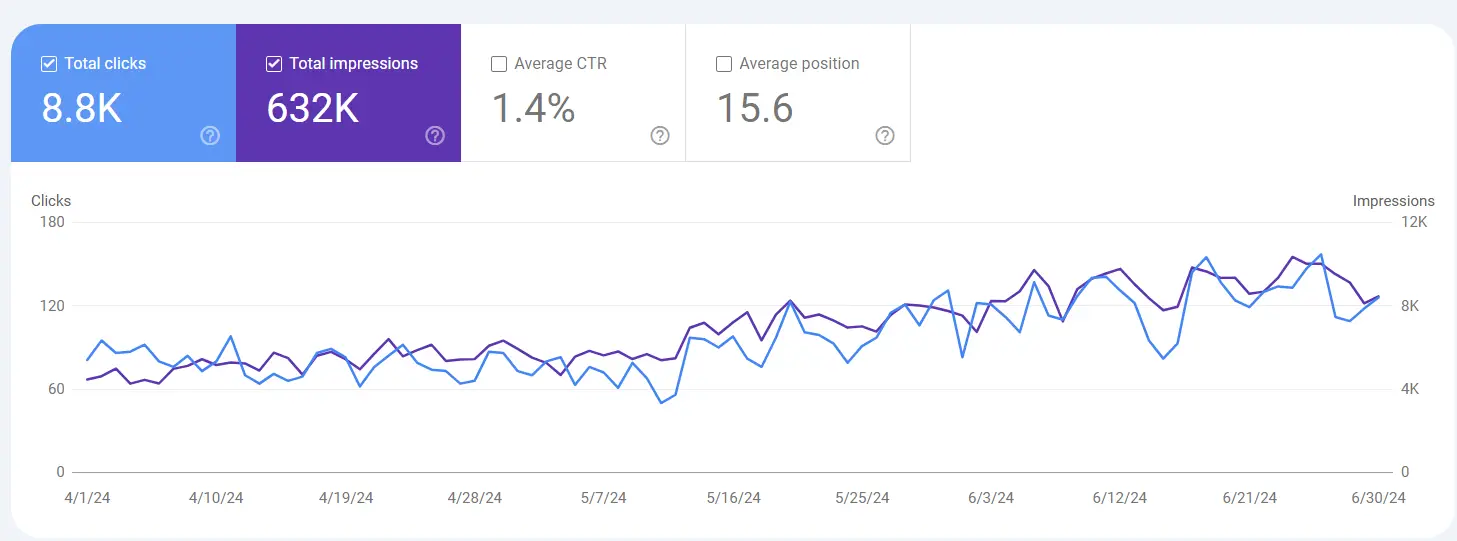
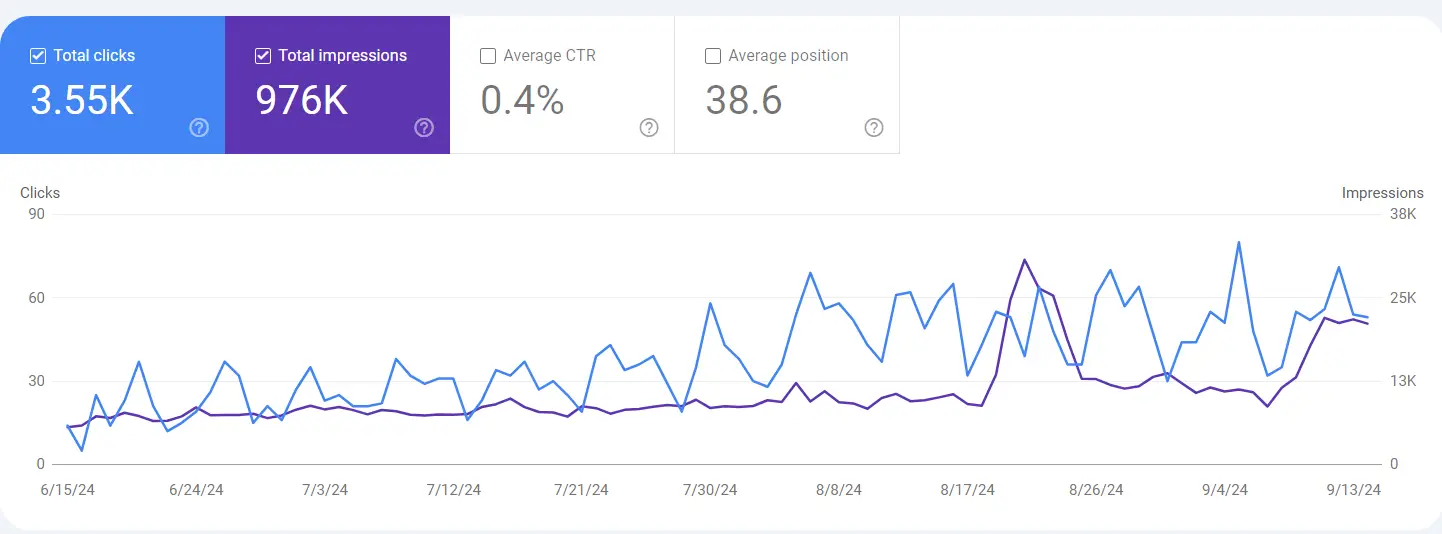
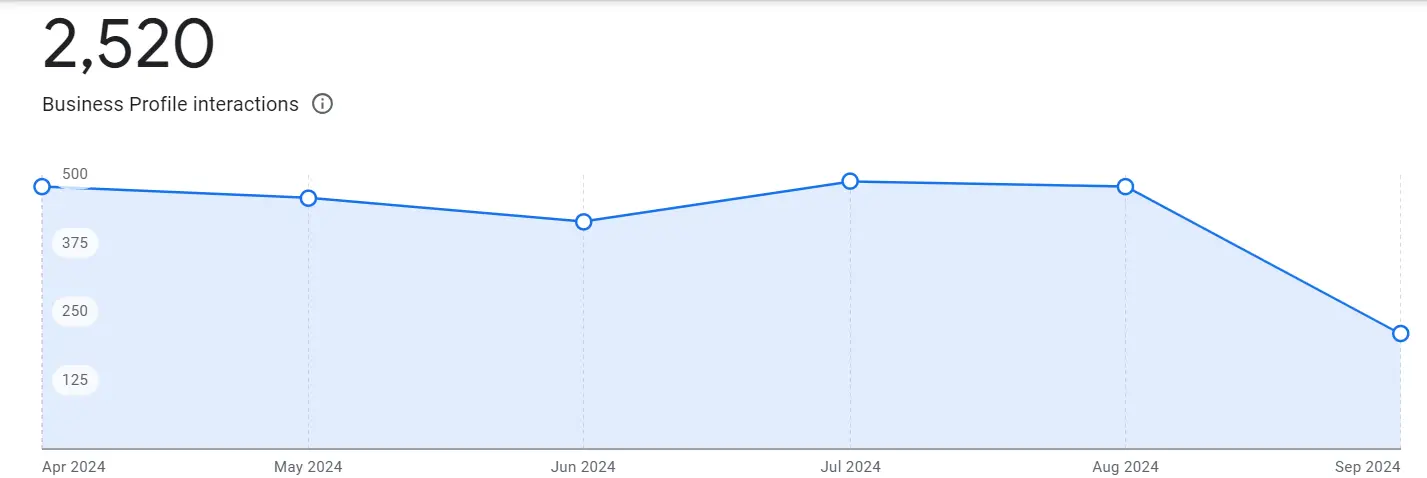
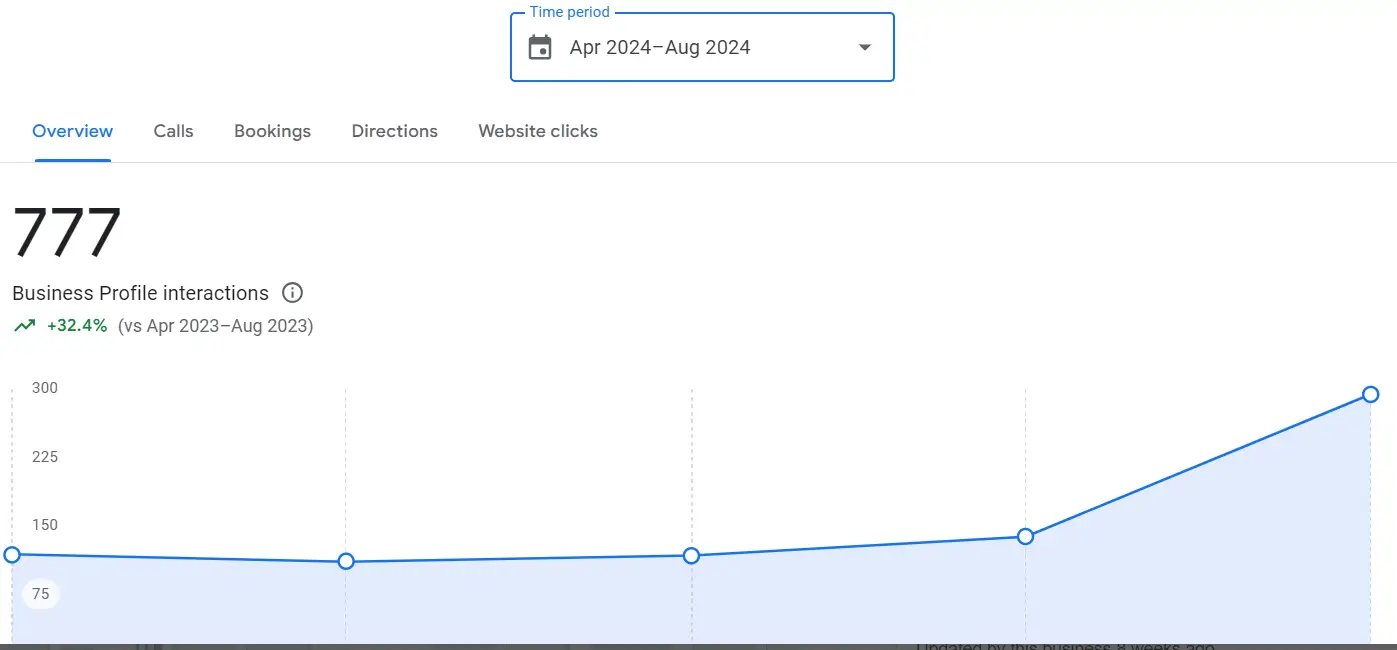
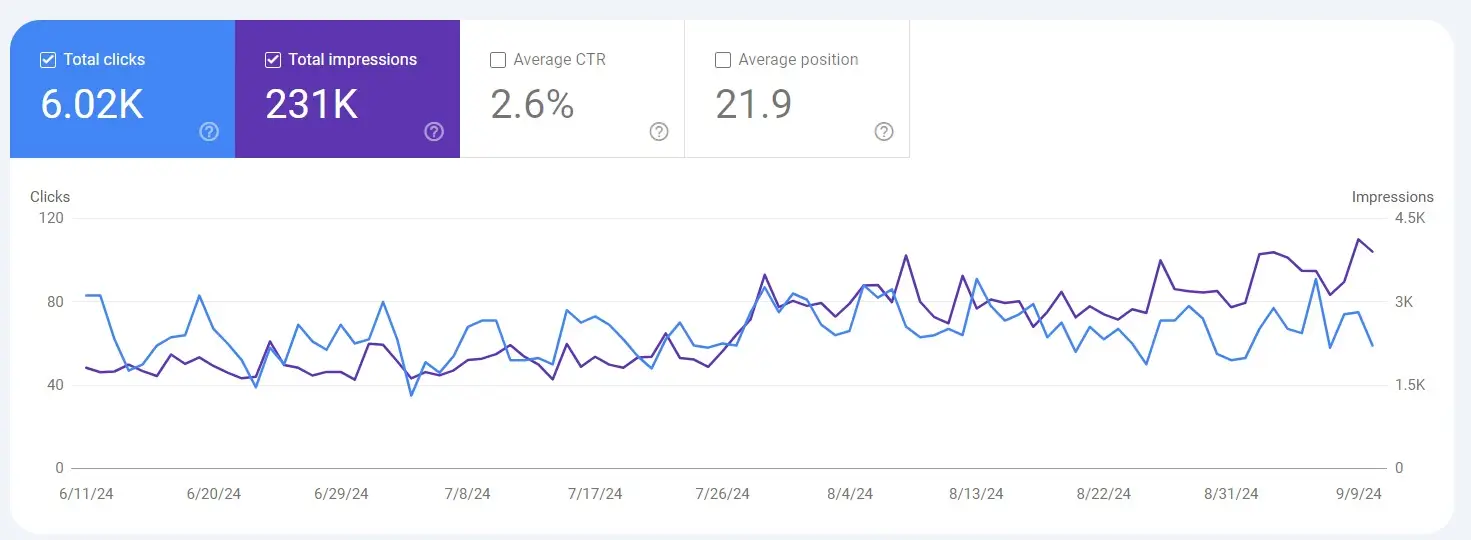
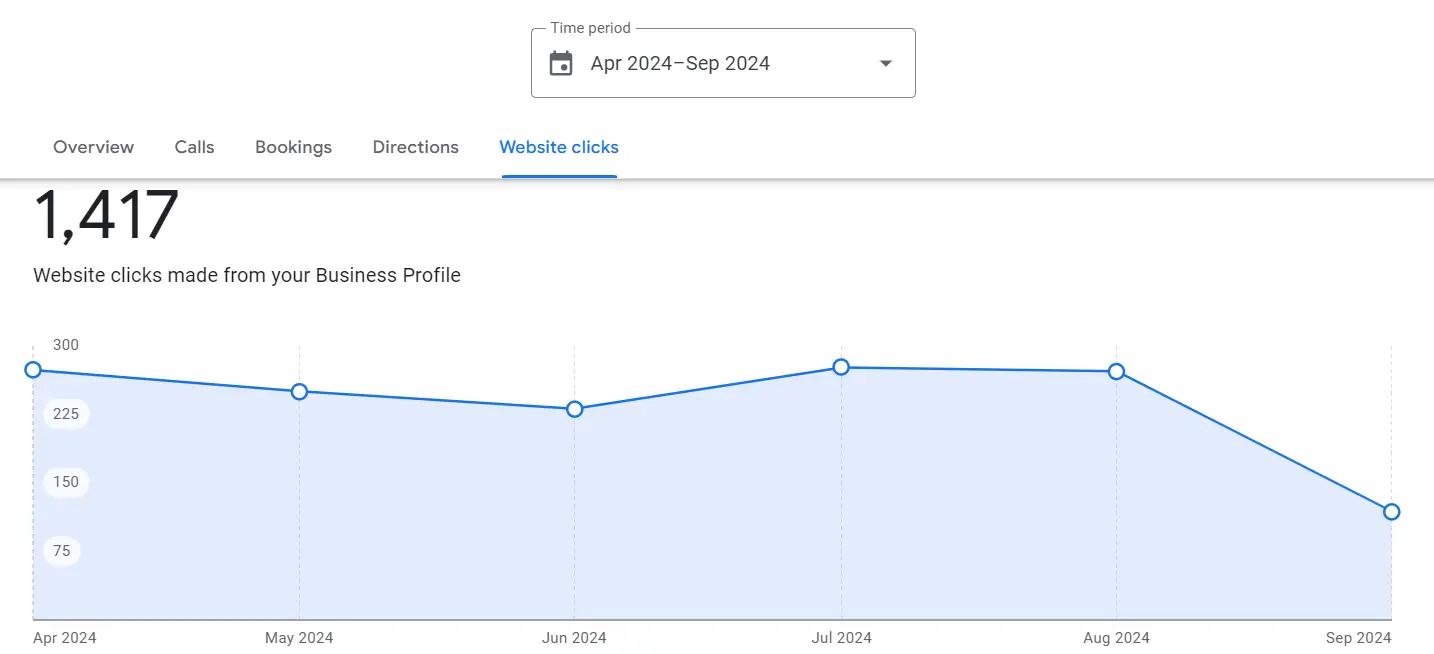
Proven SEO Growth for Our Clients
Ecommerce Platforms Our Technical SEO Audit Covers
Different ecommerce platforms generate different categories of SEO problems by default. Our ecommerce SEO audit adjusts methodology based on the specific platform your store runs on:
Shopify SEO Audit
Shopify creates specific patterns including duplicate content from collection plus product URL structures, default canonical handling for product variants, redirect issues during product retirement, image format limitations on standard plans, app-induced script bloat affecting Core Web Vitals, and template-level schema implementation that varies significantly between themes. A Shopify SEO audit examines these platform-specific factors alongside the standard technical SEO review.
WooCommerce SEO Audit
WooCommerce inherits WordPress complexity plus ecommerce-specific challenges. Plugin conflicts between SEO plugins and WooCommerce-specific functionality, theme-level schema issues, category and tag duplication patterns, faceted navigation handling by the platform versus third-party filter plugins, and the layered interaction between hosting, caching, and WooCommerce performance all require dedicated audit attention. WooCommerce stores commonly have more discoverable audit issues than other platforms because the stack creates more opportunities for misconfiguration.
Magento and Adobe Commerce SEO Audit
Magento and Adobe Commerce stores typically operate at larger scale with more complex catalogs and sophisticated layered navigation. Audit focus shifts toward crawl budget optimization, layered navigation indexation rules, multi-store and multi-language configurations, URL rewrites, and the interaction between custom development and SEO requirements that mature Magento stores typically need to address.
BigCommerce SEO Audit
BigCommerce stores benefit from platform-level SEO controls but require audit attention to category structure decisions, URL handling for product options, the platform's built-in schema implementation versus what merchants need, and template-level optimization that BigCommerce does not handle by default in standard themes.
Headless Commerce and Custom Stacks
Headless commerce implementations using Shopify Hydrogen, commercetools, or custom builds require audit methodology that accounts for the rendering layer, dynamic content delivery, edge caching behavior, and the specific JavaScript SEO considerations these architectures create. Our ecommerce SEO audit services cover headless implementations alongside major SaaS platforms.
What Your Ecommerce SEO Audit Deliverable Actually Contains
The audit is not a PDF that lists 300 issues sorted alphabetically. The deliverable is structured for execution by a real team that needs to decide what to fix first.
Executive Summary
A two-page summary written for store ownership and leadership. Current SEO performance is summarized, the three to five largest revenue opportunities are explained in business terms, and the recommended priorities are stated clearly. This is the part you can hand to a CEO who does not want to read about canonical tags.
Prioritized Action Plan
The ten to fifteen highest-impact fixes ranked by potential revenue effect. Each item includes the issue description, why it matters, the estimated implementation effort, and the expected outcome. This determines the order of work after the audit closes.
Detailed Technical Findings
The complete catalog of findings across all eight diagnostic categories. Each finding includes the specific URLs affected, screenshots where relevant, and recommended remediation. This is the reference document your developer or SEO implementation team works from during execution.
Competitive Benchmark
Direct comparison against your top three organic competitors across technical performance, content depth, schema implementation, and backlink profile. This identifies the specific gaps that, if closed, would directly improve your competitive ranking position.
90-Day Implementation Roadmap
A sequenced 90-day plan covering quick wins in weeks one and two, technical foundation work in weeks three through six, and content plus authority work in weeks seven through twelve. This makes the audit actionable rather than informational.
Live Strategy Session
A 60 to 90 minute video call where we walk your team through the findings, answer questions, and refine the implementation roadmap based on your team's capacity and priorities. This ensures the audit translates into actual execution rather than sitting on a shared drive.
The People Behind Your SEO Growth
Senior-led accounts. Real experts working on your campaign every single day — not junior staff reading from a script.


Our Ecommerce SEO Audit Process Step by Step
Discovery and scope definition
Your store, your tech stack, your competitive set, your goals
Technical crawl and data collection
Premium tools plus manual investigation
Schema and structured data validation
Against current Google requirements
Content depth and keyword cannibalization analysis
Identifying near-duplicate patterns and competing pages
Backlink and authority review
With competitor gap comparison
Senior strategist review
Revenue-impact prioritization of all findings
Report production
Executive summary, detailed findings, 90-day roadmap
Live strategy session
Walking your team through findings
Optional implementation support
If you want us to execute the fixes
Timeline and What to Expect After Kickoff
Standard ecommerce SEO audit delivery runs seven to ten business days from kickoff through final report. Larger catalogs with over 25,000 SKUs may require ten to fourteen business days. Rush delivery in four to five business days is available when findings are needed ahead of a budget decision or platform migration.
The audit does not disrupt store operations. Admin access to your ecommerce backend is not required in most cases. Google Search Console and Google Analytics access plus basic technical information about your platform and tech stack provides everything needed for the investigation.
Why SEO Specialist USA for Your Ecommerce SEO Audit
REVENUE-FIRST AUDITTool-generated audit reports are widely available and largely interchangeable. What separates an ecommerce SEO audit that produces measurable revenue recovery from one that gets archived unread is the strategic interpretation layer. Every audit we deliver goes through senior strategist review. Findings are prioritized by revenue impact rather than technical severity. Recommendations are written for the people making implementation decisions, not just for technical SEO specialists. The deliverable is sequenced for execution, not just for documentation.
Read more: Full Ecommerce SEO ServicesStop guessing what is suppressing your store's organic revenue. Find out exactly what to fix.
Ecommerce SEO Audit Questions Store Owners Ask Most
How is an ecommerce SEO audit different from a general SEO audit?
Ecommerce SEO audits examine catalog-scale issues including product schema, faceted navigation indexation, category architecture, product page templating, and the interaction between SEO and conversion optimization. General SEO audits typically miss these dimensions entirely or treat them superficially because they were built for content sites rather than digital storefronts. The methodology, the diagnostic categories, and the deliverable are all fundamentally different.
Will the audit work for our Shopify Plus, WooCommerce, or Magento store?
Yes. The audit covers all major ecommerce platforms including Shopify and Shopify Plus, WooCommerce, Magento and Adobe Commerce, BigCommerce, Wix Stores, Squarespace Commerce, and headless commerce implementations. Methodology adjusts based on the known issue patterns specific to each platform and tech stack.
How large does our catalog need to be for an SEO audit to be worthwhile?
Stores generating $50,000 to $50 million plus in annual ecommerce revenue all benefit from audits. Smaller stores typically see the largest proportional gains from surface technical fixes. Larger stores discover higher-value architectural issues with significant revenue implications. Both scales justify the investment.
Do you need admin access to our store to run the audit?
Not in most cases. Google Search Console and Google Analytics access plus basic technical information about your platform provides everything needed. Backend access is occasionally helpful for specific investigations and we coordinate that during discovery if it applies.
What happens after we receive the audit deliverable?
You receive the complete written deliverable plus a live 60 to 90 minute strategy session where we walk your team through the findings and refine the implementation roadmap. After that, you can implement the fixes internally, hand the audit to your existing agency, or continue working with us on execution directly. The audit is yours regardless of which path you choose.
How quickly can the ecommerce SEO audit be delivered?
Standard delivery runs seven to ten business days. Larger catalogs may need ten to fourteen business days. Rush delivery in four to five business days is available for time-sensitive situations like budget approvals or planned platform migrations.