
International SEO Audit That Diagnoses Why Your Global Traffic Is Stuck
Your US site outranks your UK site for British users. Your French content is invisible to French searchers. Your German store gets indexed but never converts. These problems trace back to international SEO errors that a real audit identifies in days.
Free International SEO Audit
Get in Touch
International SEO is the most error-prone area in technical SEO
More than 70 percent of multi-region sites have hreflang implementation errors. The majority do not realize it until traffic drops or a regional team escalates the issue. By the time the problem surfaces, months of organic traffic have already been lost to competitors who got the setup right.
Signs Your International SEO Setup Is Broken
If you operate websites across multiple countries or languages and any of these sound familiar, an international SEO audit will identify what is happening:
Your US, UK, AU, or CA English sites are cannibalizing each other in search results
French Canadian users see content meant for France (or vice versa)
Geo-redirects send users to the wrong country site
Search Console reports hreflang errors but nobody knows how to fix them
Traffic dropped after launching a new regional site
Your ccTLD has no domain authority because the legacy site held it all
Country-specific content is indexed but never appears in country-specific search
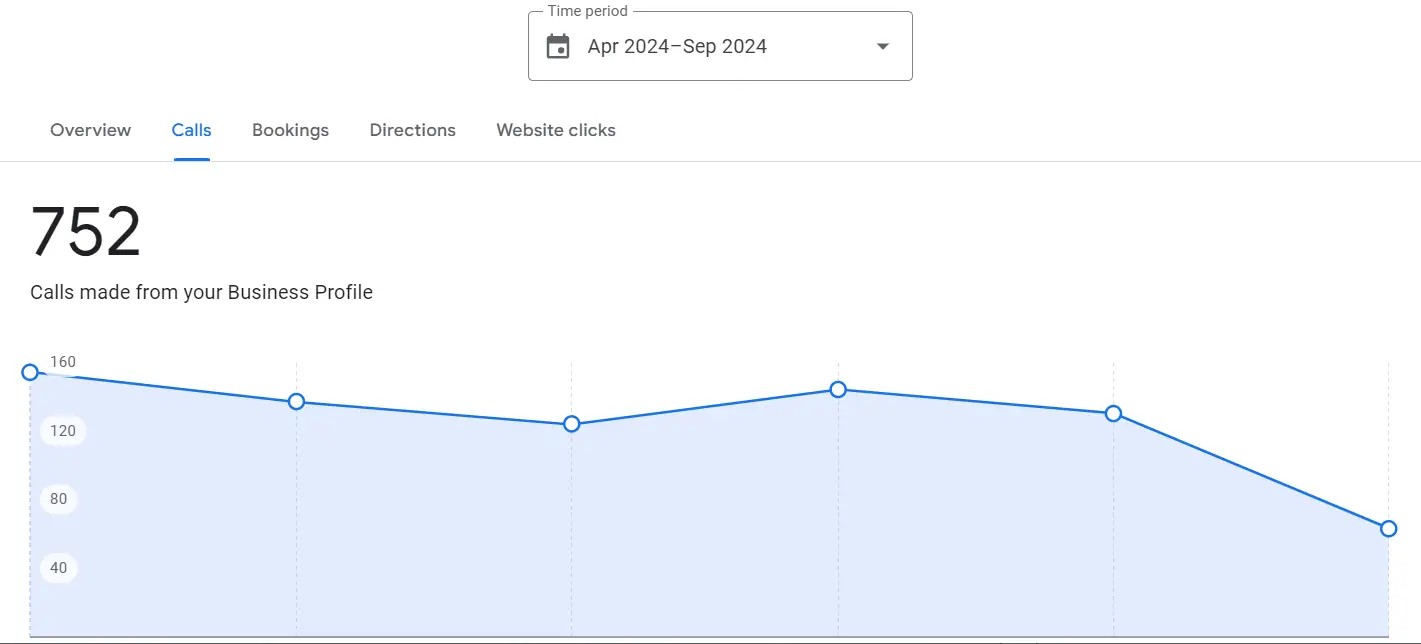
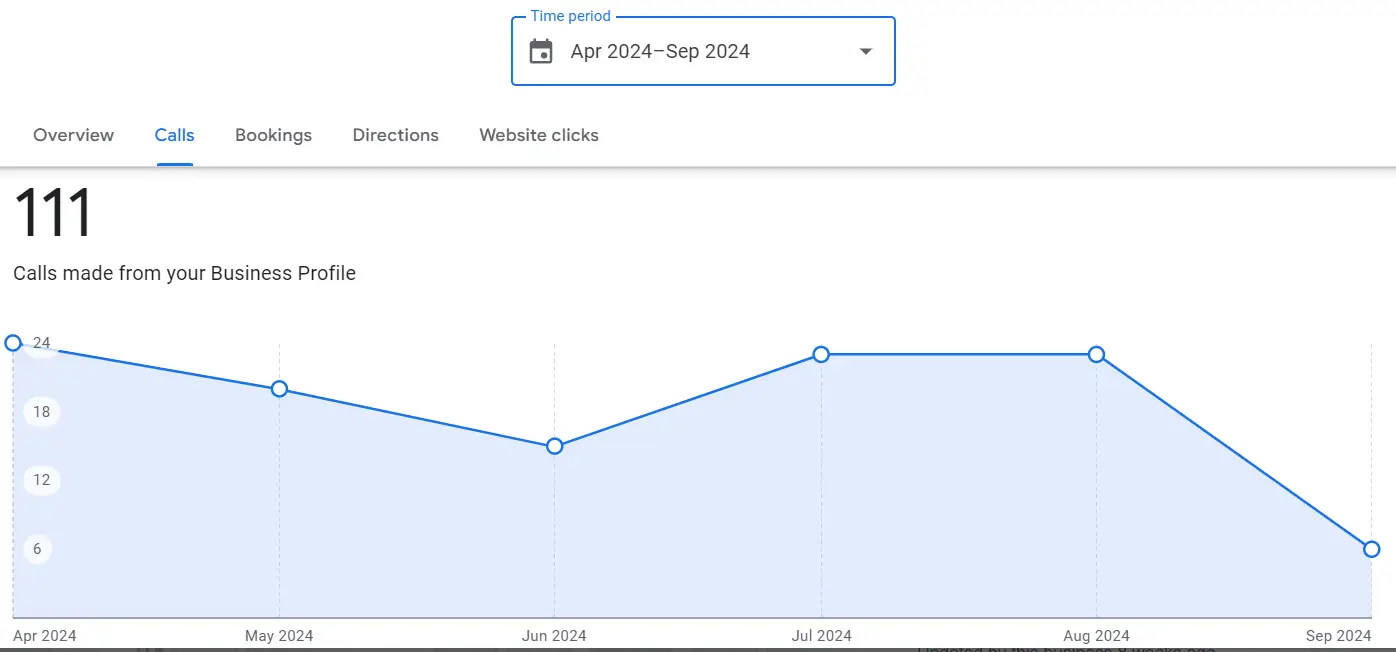
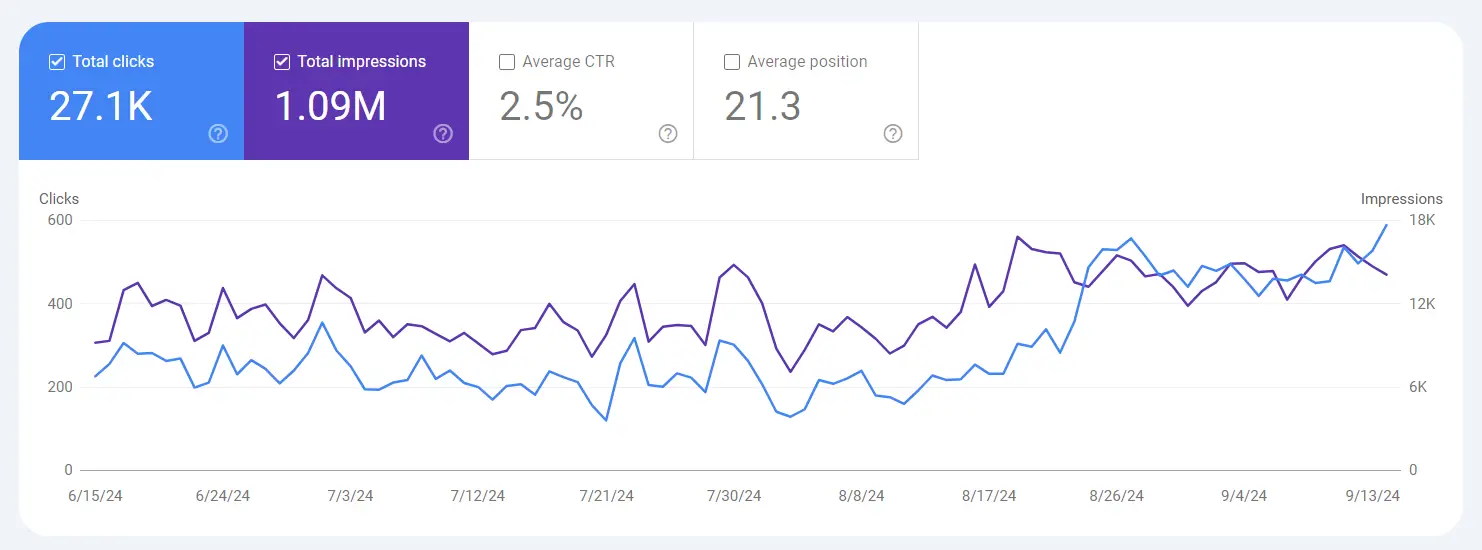
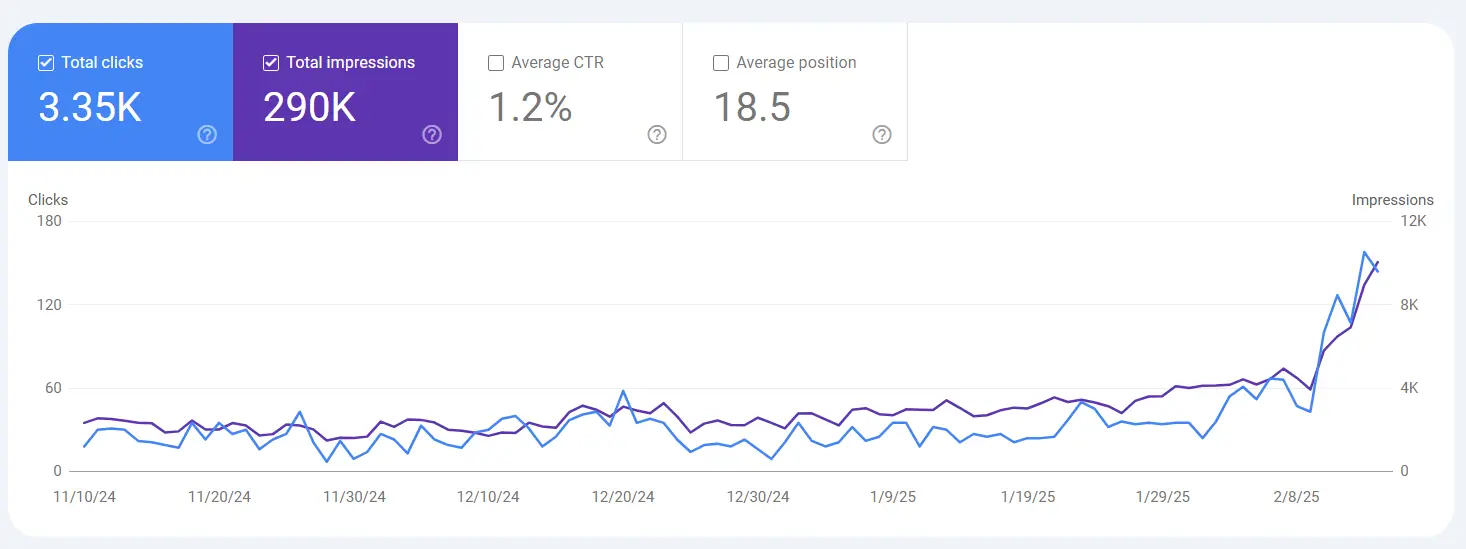
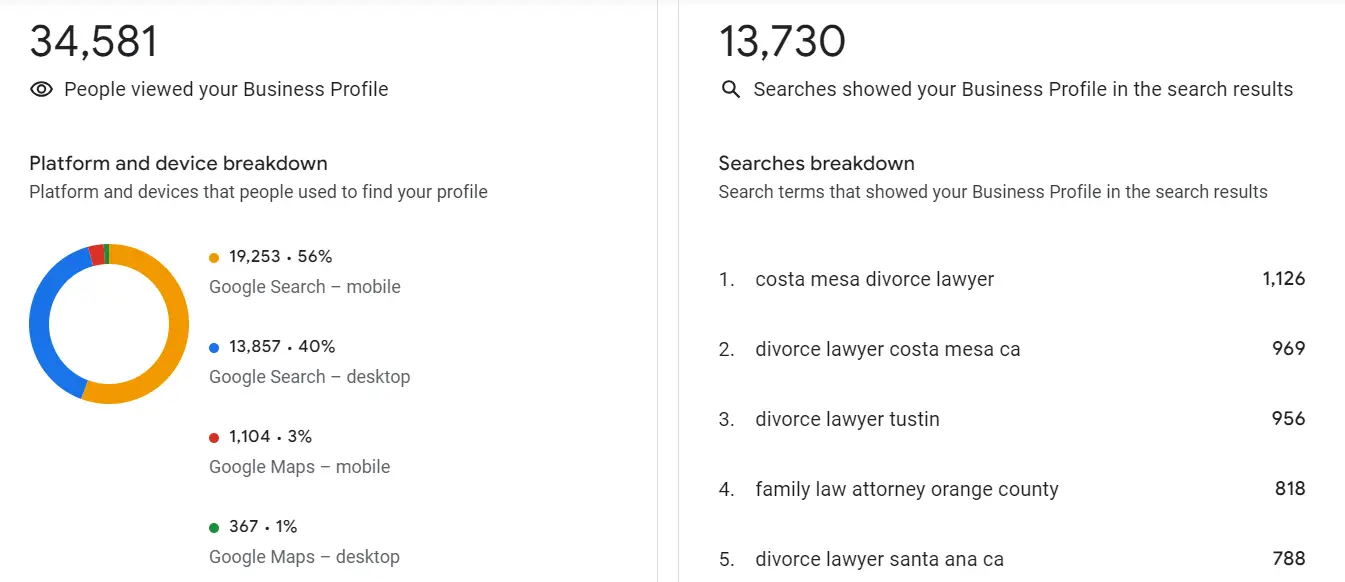
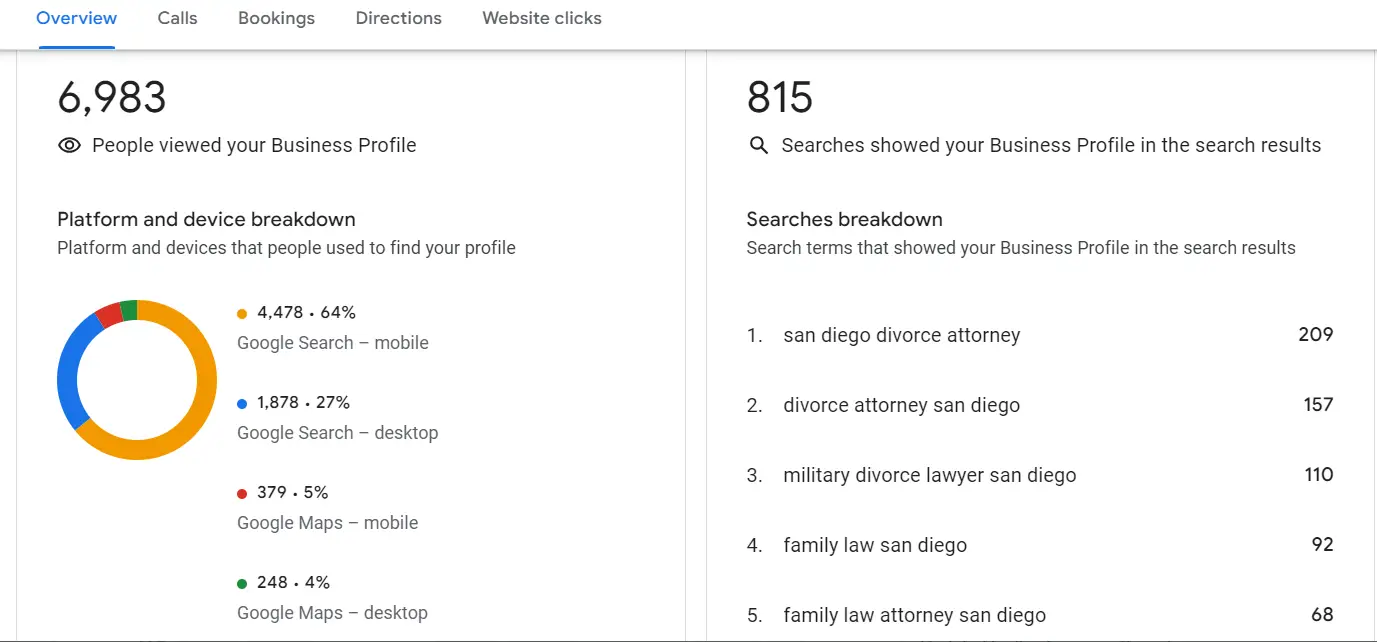
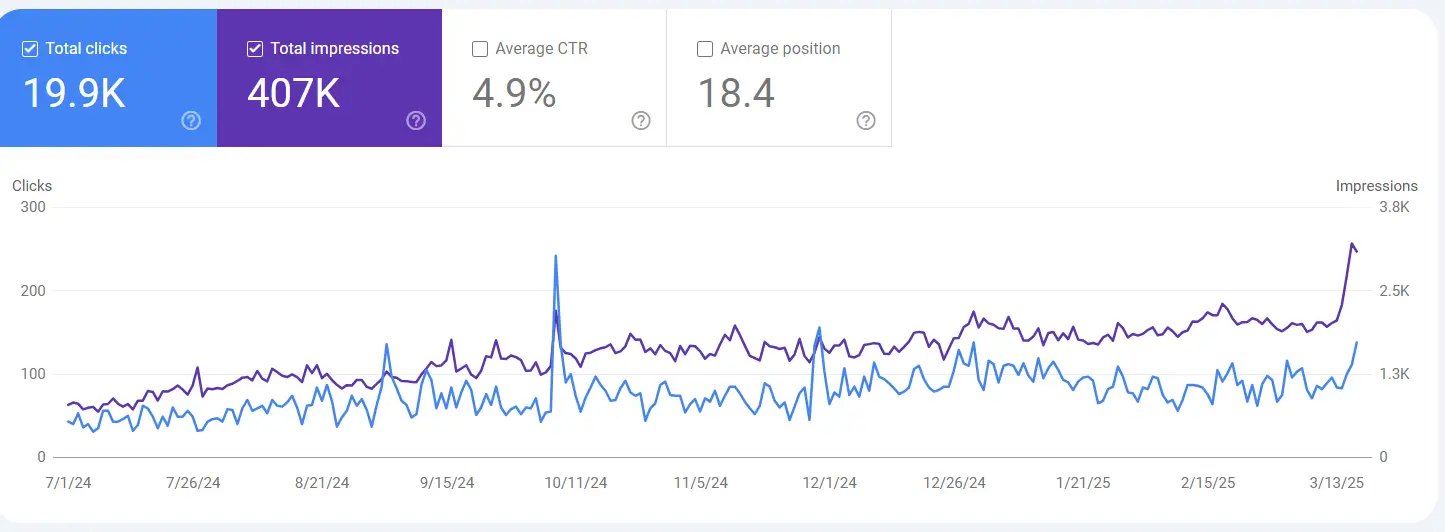
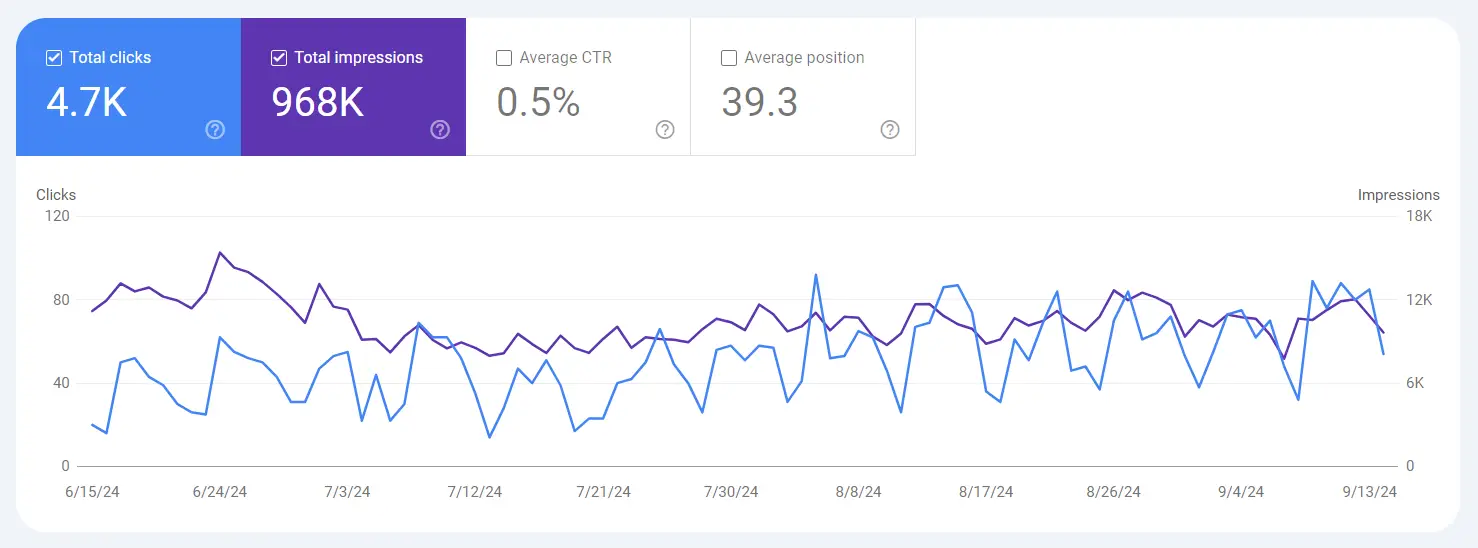
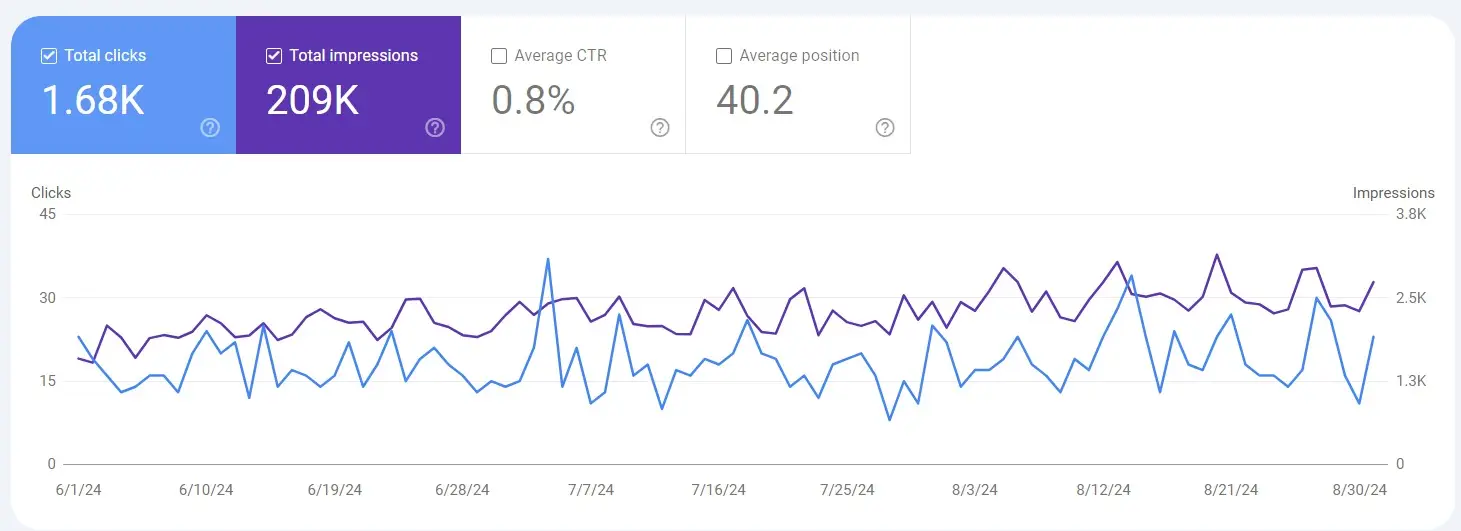
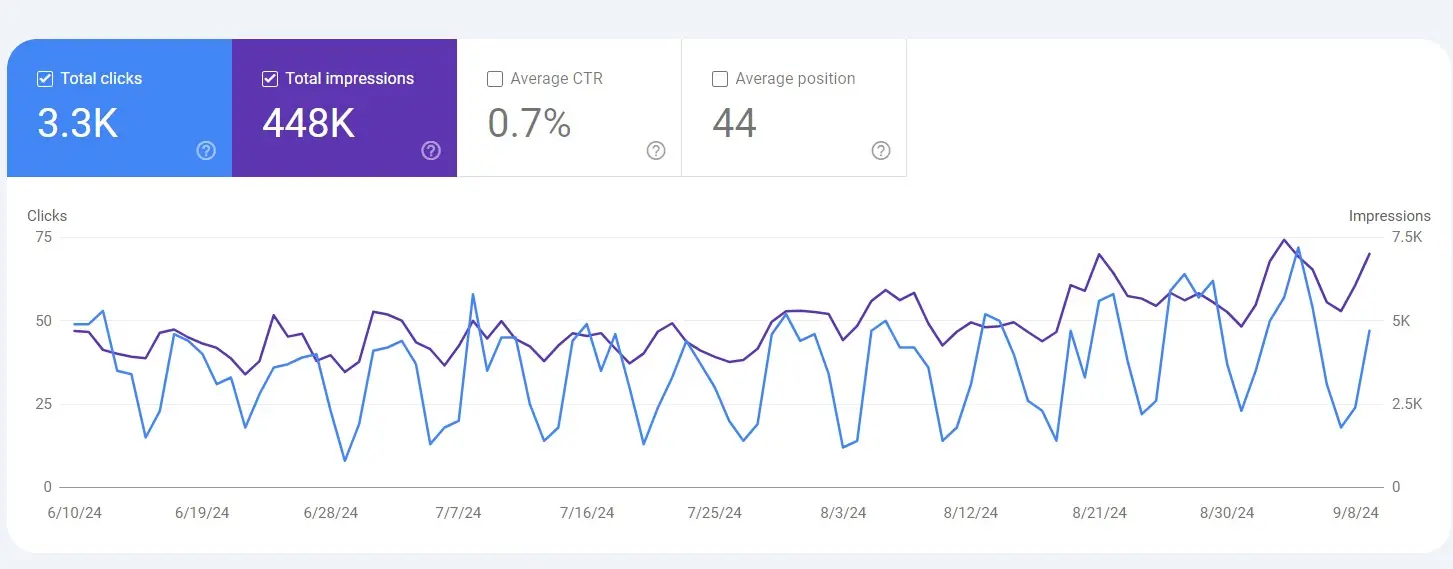
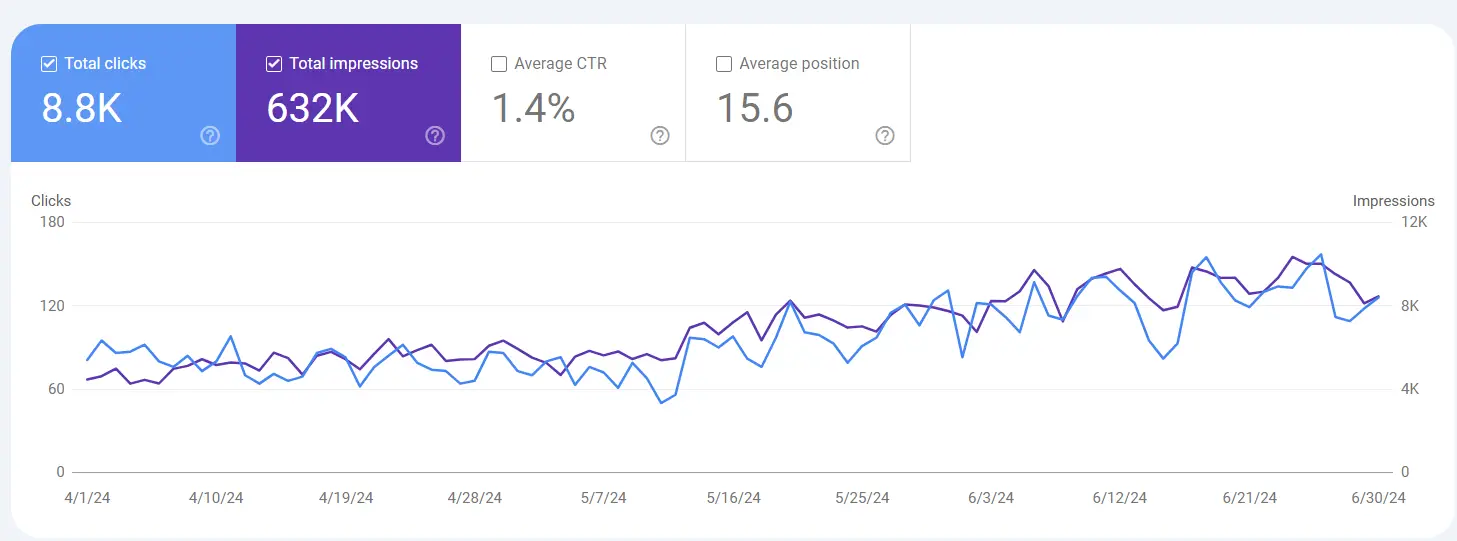
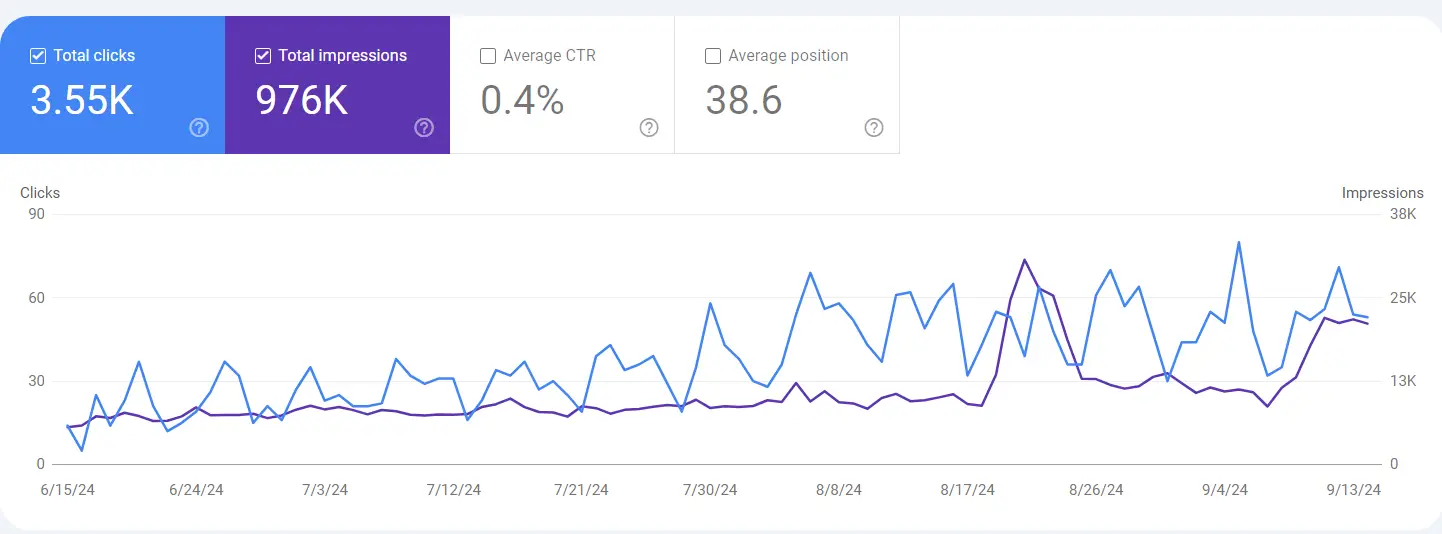
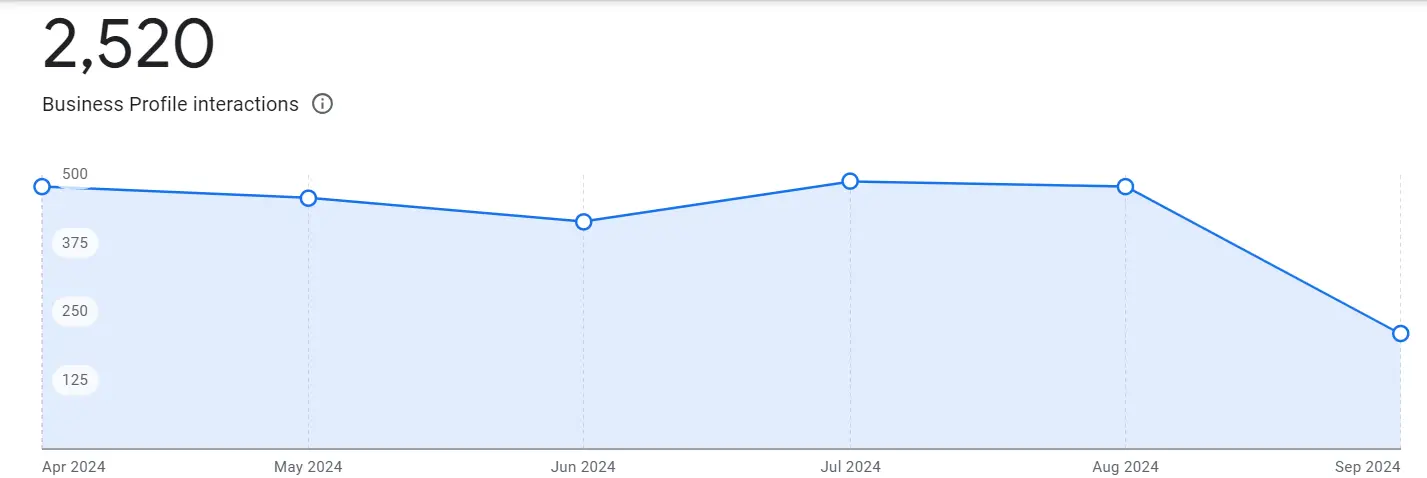
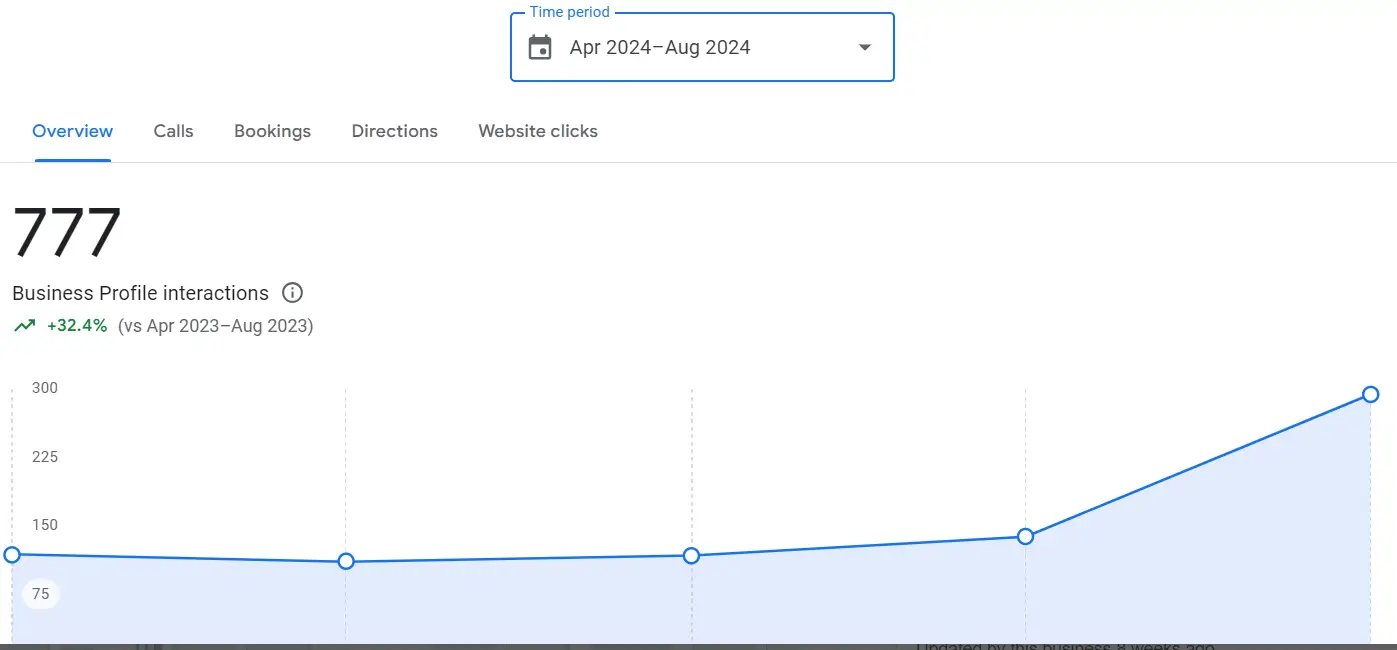
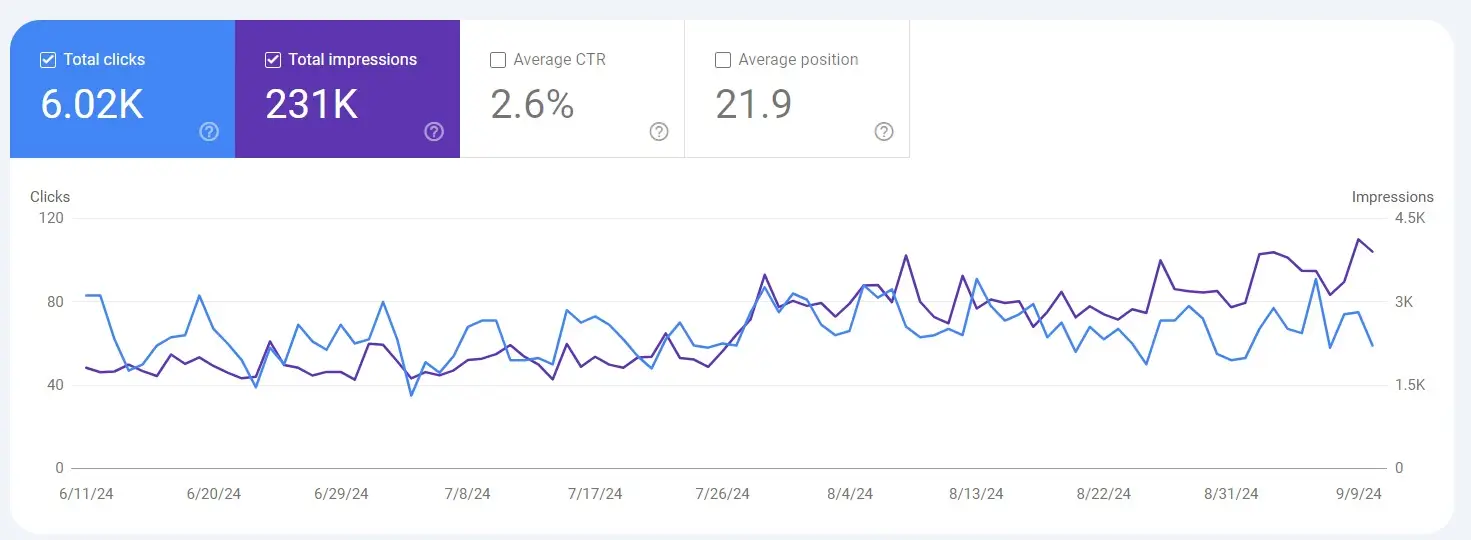
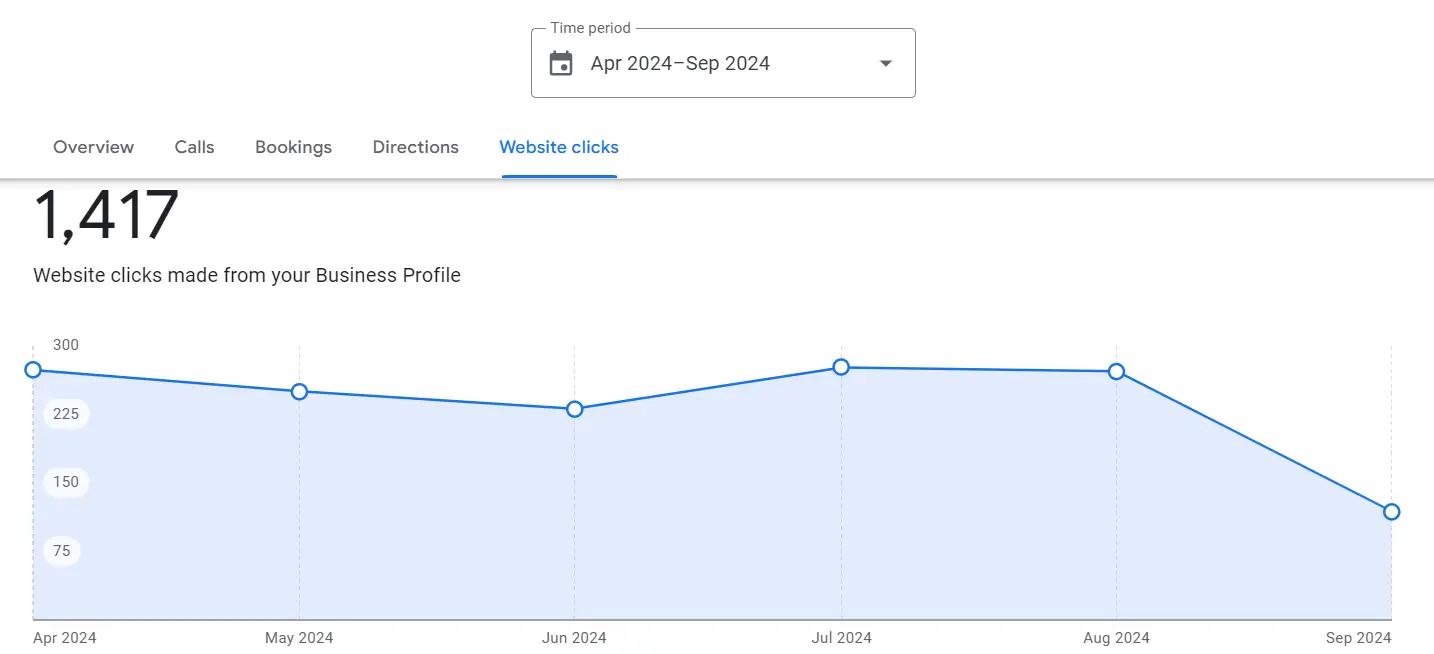
Proven SEO Growth for Our Clients
Most Problems Start With hreflang
The hreflang tag tells Google which language and country version of a page to serve. It is also the single most-broken element in international SEO. Here is what a correct hreflang implementation looks like:
Three rules that are almost always violated:
Every page must reference itself and all its alternates (return-tag rule)
Language and country codes must use correct ISO 639-1 and ISO 3166-1 formats
The x-default tag should point to your global or English-default version
Our international SEO audit validates hreflang across every page on your site, identifies missing return tags, finds conflicts, and produces an implementation map your developers can deploy directly.
Want to know how many hreflang errors are live on your site right now?
The 6 Places International SEO Actually Breaks
Every international SEO audit we run uncovers issues in these six categories. Each is investigated independently and rated by traffic and revenue impact:
hreflang Implementation
Missing return tags, incorrect language codes, conflicting signals between HTML, HTTP headers, and XML sitemaps. The most common source of international SEO problems and the first thing we examine.
URL Structure and Architecture
Wrong choice of ccTLD vs subdomain vs subdirectory for your business stage. Inconsistent URL patterns across regions. Trailing slash and case sensitivity issues that fragment authority.
Geolocation and Redirects
Aggressive IP-based redirects that block Googlebot. JavaScript redirects Google cannot follow. Cookie-based language switching that creates duplicate content. Each can quietly remove pages from regional search indexes.
Content Localization
Machine translation that hurts rankings. Translated content with no cultural adaptation. Currency, units, and contact details not localized. Local search intent ignored in keyword strategy.
Technical Infrastructure
Slow page speeds in target markets due to server location. CDN not configured for regional performance. Schema markup missing localized Organization and LocalBusiness data. Mobile experience varying by country.
International Backlink Profile
ccTLD sites with no local backlink authority. Regional Search Console properties not connected. Cross-region linking missing or unbalanced. Local press, directories, and industry sources in target markets untapped.
The People Behind Your SEO Growth
Senior-led accounts. Real experts working on your campaign every single day — not junior staff reading from a script.


ccTLD vs Subdomain vs Subdirectory: The Decision Matrix
The structure you choose for your international site is one of the most consequential SEO decisions you will make. Most companies get this wrong and pay for it for years. Here is the honest comparison:
ccTLD
yoursite.de
Strongest geo-targeting signal
No authority sharing across domains
Highest setup and maintenance cost
Best for: Major markets, enterprise
SUBDOMAIN
de.yoursite.com
Moderate geo-targeting
Some authority sharing
Moderate cost
Best for: Distinct regional brands
SUBDIRECTORY
yoursite.com/de/
Weakest geo-targeting
Full authority sharing
Lowest cost
Best for: SMBs, multi-market growth
Our international SEO audit examines your current structure and tells you whether it fits your business stage or whether a migration would pay back the investment.
What Your International SEO Audit Examines
Every international SEO audit covers ten dimensions. Each is examined independently, then findings are cross-referenced for compounding issues:

hreflang implementation, validation, and error mapping across the full site
URL structure analysis (ccTLD, subdomain, subdirectory) with migration recommendation
Geo-targeting configuration including Google Search Console country targeting
Geolocation and redirect behavior, including IP redirects, JS redirects, and cookie handling
Content localization quality assessment across all language versions
Multi-region keyword targeting and cannibalization between regional sites
International schema markup including LocalBusiness, Organization, and Product data
Server and CDN configuration for regional performance
International backlink profile audit and country-specific link gap analysis
Country-specific search performance review in Google Search Console
What Your International SEO Audit Deliverable Contains
The deliverable is not a 400-page PDF dumped on your inbox. It is a structured document built for execution by a real team:
Executive Summary
A two-page summary written for leadership. Current international SEO performance, the three to five largest opportunities, and recommended priorities explained in business terms.
Prioritized Action Plan
The ten to fifteen highest-impact fixes ranked by traffic and revenue effect. Each item includes the issue, why it matters, implementation effort, and expected outcome.
hreflang Implementation Map
A complete table showing every page, its language and country attributes, current hreflang state, and required corrections. Your developers can implement directly from this map.
Architecture Recommendation
Honest assessment of your current ccTLD, subdomain, or subdirectory setup, with migration recommendation if your current structure no longer serves your business stage.
Country and Language Performance Report
Country-by-country breakdown of organic visibility, ranking gaps, and opportunity sizing. Shows you where to invest expansion effort first.
90-Day Execution Roadmap
Sequenced 90-day plan covering quick wins in weeks one through four, technical fixes in weeks five through eight, and content plus authority work in weeks nine through twelve.
Strategy Session
A 60 to 90 minute video call where we walk your team through findings and refine the implementation plan to match your team's capacity and timeline.
Languages and Regions We Audit
Our international SEO audit covers any language or country combination. We have specific depth across these major markets:
Not on this list? We have run international SEO audits for sites operating in over 40 countries. Reach out and we will confirm coverage for your specific markets.
Who Should Order an International SEO Audit

Ecommerce stores selling into multiple countries with separate regional sites
SaaS and B2B companies expanding into new markets
Multi-language sites where US/Canada French or UK/AU English are cannibalizing
Global brands with subsidiary websites that lost traffic after consolidation
Companies planning to launch a new regional site (pre-launch audits are ideal)
Businesses that recently migrated from ccTLD to subfolder structure (or vice versa)
Sites where Google Search Console shows hreflang errors that nobody has resolved
Our International SEO Audit Process
Step 1: Discovery
We start with a 30-minute call covering your markets, languages, current setup, and what triggered the audit request. This shapes the scope and focus areas.
Step 2: Technical Crawl
We run a premium technical crawl across your full site or representative sample, capturing hreflang implementation, URL structure, redirects, schema, and indexation behavior in every region.
Step 3: hreflang Validation
Every hreflang tag on your site is validated against ISO standards, return-tag completeness, and conflict detection. We map errors to specific pages and recommend fixes.
Step 4: Manual Investigation
Senior strategists manually review country-specific search behavior, content localization quality, and the architectural decisions affecting your performance.
Step 5: Report Production and Strategy Call
Findings are prioritized by impact and packaged into the deliverable described above. We then meet with your team to walk through the report and refine the implementation plan.
Why Choose Us for International SEO Audit Services
ENTERPRISE-GRADE AUDITSenior international SEO strategists run every audit (no junior staff)
Premium technical SEO tooling covering enterprise-scale multi-region sites
Practical recommendations sequenced for actual execution, not just documentation
Coverage across every major language and market combination
Optional implementation support if you want us to execute the fixes