
Oral Surgeon SEO Services That Convert Implant Searches Into Scheduled Consultations
Every month, hundreds of patients in your service area search Google for help with a wisdom tooth, a failing implant, a jaw concern, or a referral their general dentist gave them. Most of them find a competitor.
The oral surgery practices winning these searches are not the largest or the longest established. They are the ones whose websites match the specific procedures patients search for, demonstrate the E-E-A-T signals Google requires for medical content, and present the trust evidence that converts a search visitor into a phone call. That is what oral surgeon SEO services deliver.
Free Oral Surgeon SEO Audit
Get in Touch
How Patients Actually Find an Oral Surgeon Online
Before designing an oral surgeon SEO service, you have to understand how oral surgery patients behave online. Their search behavior splits into three distinct patterns, each requiring different content and ranking strategy.
Pattern 1: The Referred Patient
Their general dentist told them they need wisdom teeth out, an implant placed, or a complex extraction. They were given a recommendation, but they search Google to research the recommended surgeon, check reviews, evaluate alternatives, and confirm the choice. Roughly 60 to 70 percent of consultation requests at established oral surgery practices fall into this pattern. SEO targeting these patients focuses on practice credibility, surgeon credentials, reviews, and brand-plus-procedure searches.
Pattern 2: The Self-Directed Researcher
They are dealing with a problem (impacted wisdom tooth, missing tooth they want replaced, jaw pain, sleep apnea diagnosis) and they search Google directly for a specialist. They have no referral. They will evaluate every practice in the search results based on what each practice's website tells them. This pattern accounts for the remaining 30 to 40 percent of consultation requests, and it is the pattern most impacted by SEO investment because there is no existing referral relationship to overcome competitor visibility.
Pattern 3: The Comparison Shopper
Most common in dental implant and All-on-4 searches. The patient is considering a major financial decision, sometimes $20,000 to $50,000 or higher, and is actively comparing three to five providers. They consume content extensively, compare pricing, review case photos, and read every credential page before scheduling consultations. SEO that captures comparison shoppers requires content depth across procedure pages, transparent case galleries, and the credibility evidence that makes your practice the obvious choice in a side-by-side evaluation.
Your oral surgeon SEO strategy needs to address all three patient patterns simultaneously.
Oral Surgery Procedure SEO Strategies That Drive Consultations
Each oral surgery procedure has its own search volume, buyer intent, and competitive landscape. A practice that optimizes for the full procedure mix outperforms one that only targets generic oral surgeon queries by a significant margin.
Dental Implant SEO
Dental implant searches drive the highest case value in oral surgery. Single implants average $3,000 to $6,000. Multiple implants and bone grafting cases run $8,000 to $15,000. Patients researching dental implants ask specific questions about procedure detail, recovery time, implant brands like Nobel Biocare and Straumann, the difference between titanium and zirconia, and whether they need bone grafting before placement. Effective dental implant SEO builds out content addressing each of these dimensions with the clinical depth Google rewards and patients need before scheduling.
All-on-4 and Full-Arch Implant SEO
All-on-4 represents some of the highest single-case values in oral surgery, frequently $25,000 to $50,000 per arch. Patients researching All-on-4 spend weeks or months comparing providers, materials (zirconia versus acrylic versus porcelain hybrid), and pricing across multiple practices. They read case galleries obsessively. Content positioned for these comparison searches captures patients during their evaluation phase rather than only at the booking decision. This is one of the highest-ROI content investments an oral surgery practice can make.
Wisdom Teeth Removal SEO
Wisdom teeth searches generate consistent high volume from both adult patients and parents researching procedures for teenage children. Search behavior includes questions about procedure necessity, anesthesia options (local, IV sedation, general anesthesia), recovery timelines, costs, and insurance coverage. The most effective wisdom teeth SEO speaks to both audiences (adults and parents) in clearly distinguished content rather than treating them as a single audience.
Bone Grafting and Pre-Implant Procedures SEO
Bone grafting, sinus lift, and ridge augmentation searches come primarily from patients who have already been told they need pre-implant work before becoming candidates for implants. Content addressing these procedures captures patients researching what their dentist or oral surgeon recommended, supports implant case conversion, and builds the topical authority that strengthens your overall dental implant ranking position.
Corrective Jaw Surgery and Orthognathic SEO
Orthognathic surgery patients have complex needs and typically research extensively over months. Search behavior covers orthodontic plus surgical coordination, recovery considerations, insurance approval processes, and the specific surgical techniques like maxillary advancement and mandibular setback. Content depth here positions your practice for complex multi-stage cases that smaller practices typically cannot handle.
TMJ and Jaw Disorder SEO
TMJ disorder searches come from patients experiencing jaw pain, clicking, locking, headaches, or related symptoms. Many of these patients have already consulted general dentists, physicians, or chiropractors without resolution and are specifically searching for specialist evaluation. Content addressing TMJ assessment, conservative treatment, and surgical options when appropriate captures patients in their specialist-seeking phase.
Sleep Apnea Oral Surgery SEO
Sleep apnea surgical treatment including maxillomandibular advancement is a growing patient acquisition opportunity for oral surgery practices. Patients are often referred by sleep medicine specialists, primary care physicians, or pulmonologists. They research procedures extensively, comparing CPAP alternatives and surgical options. Sleep apnea content positions your practice for both direct patient search and the professional referral pathway from sleep medicine clinicians.
Pediatric Oral Surgery and Oral Pathology SEO
Pediatric oral surgery and oral pathology represent specialized practice areas with distinct search behavior. Parents searching for pediatric oral surgery have different concerns than adult patients. Patients dealing with oral lesions, biopsy needs, or pathology concerns search using clinical terminology that requires medically appropriate content. These specialty areas often face less competition than implant or wisdom teeth categories, offering faster ranking opportunities for practices that offer them.
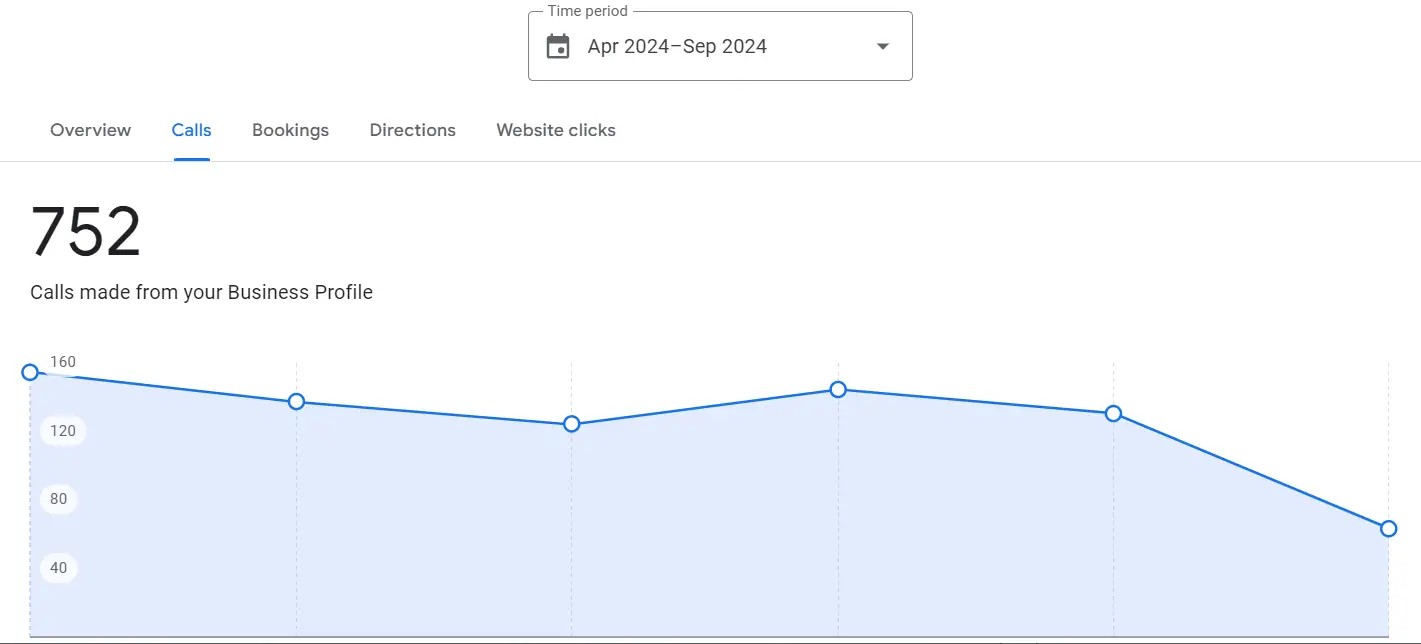
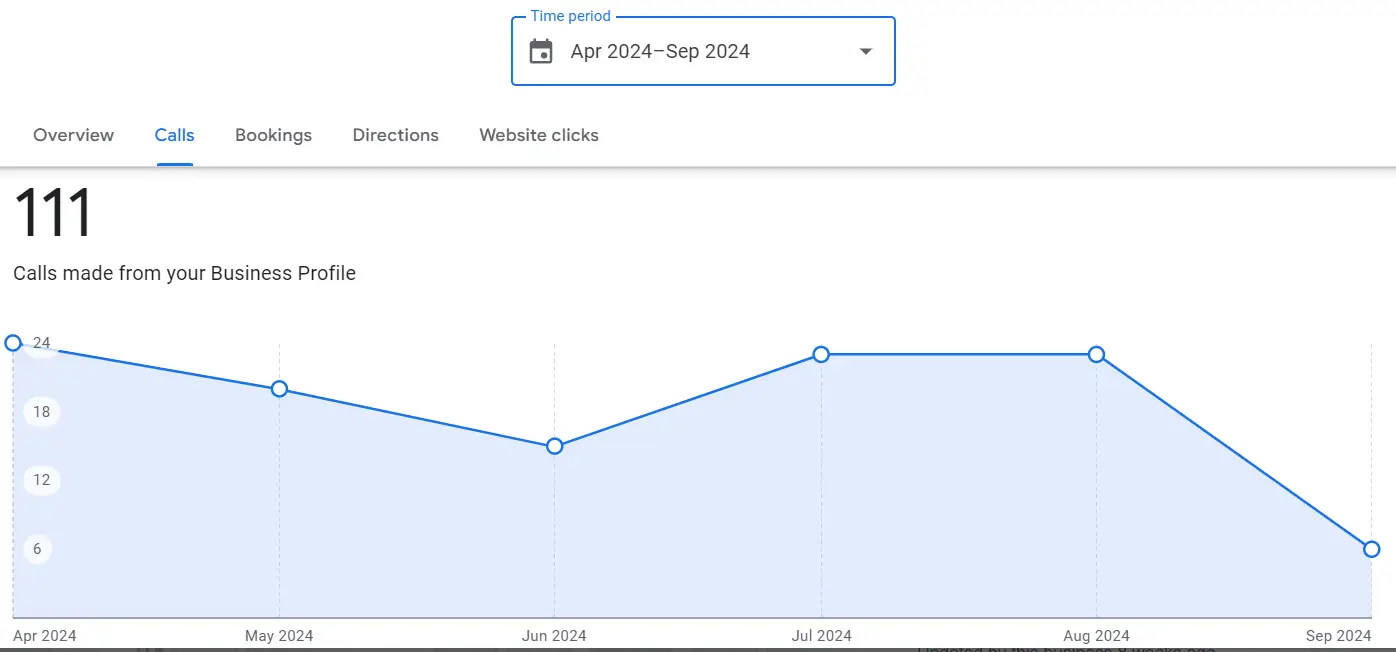
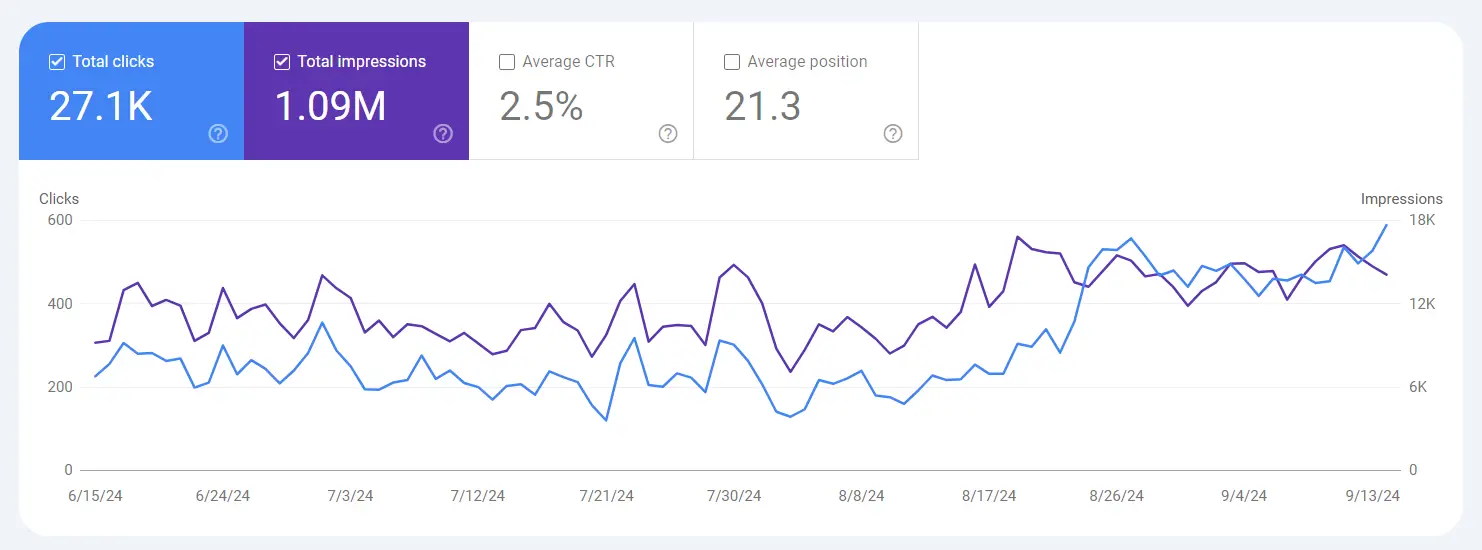
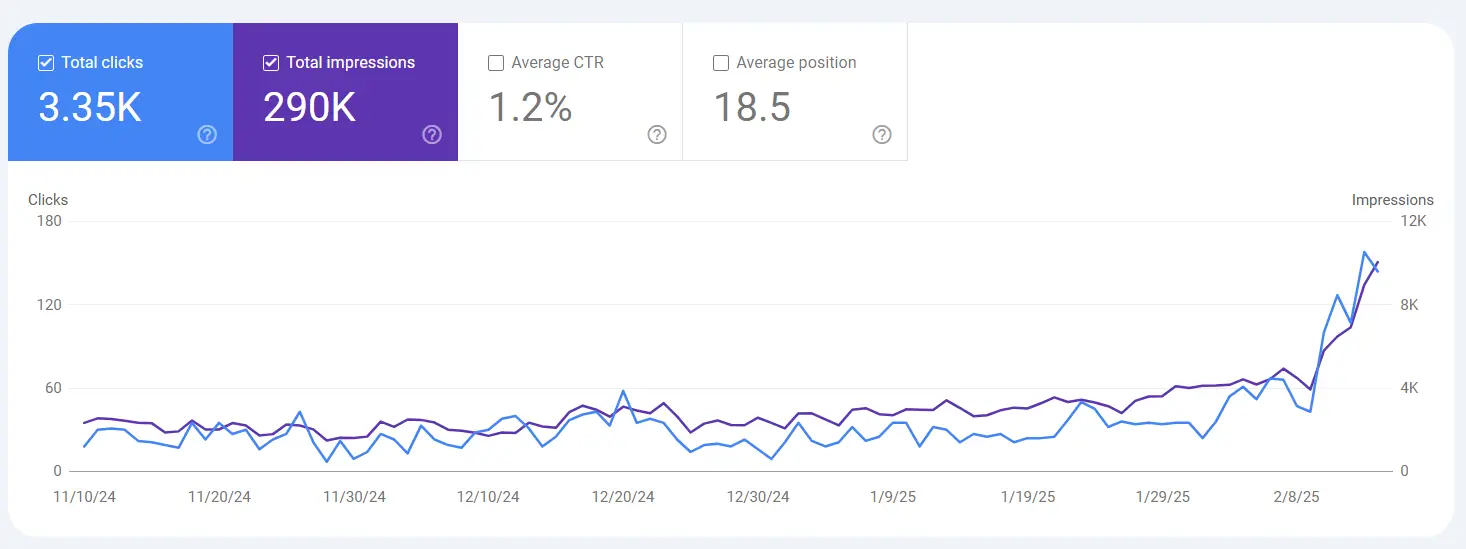
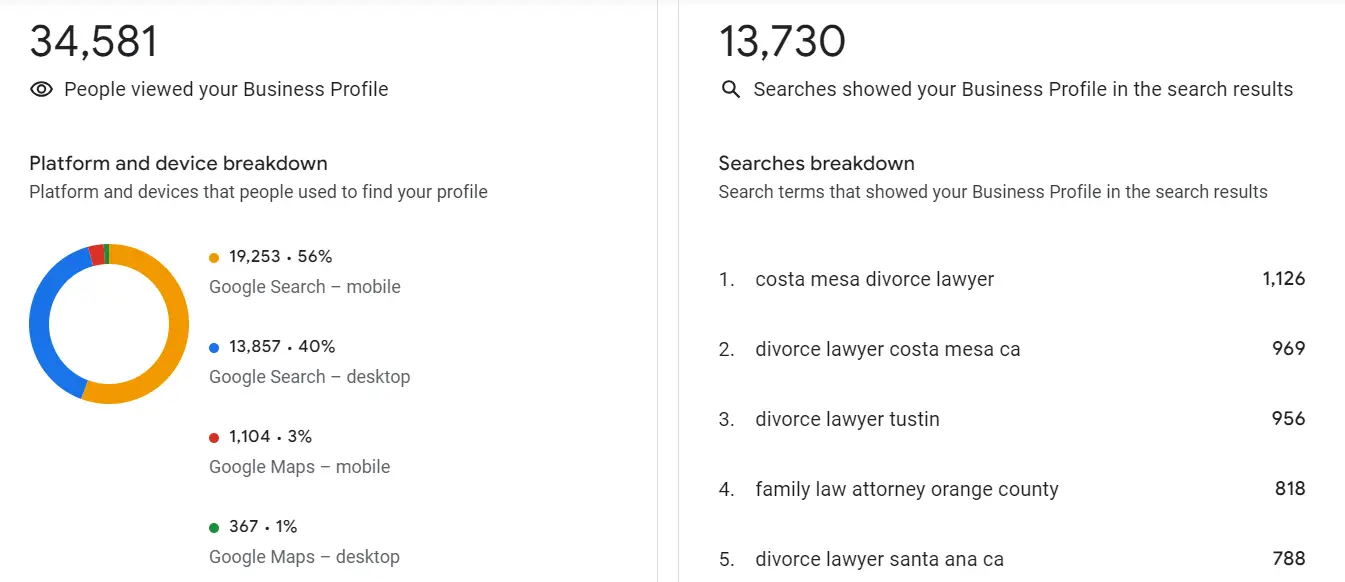
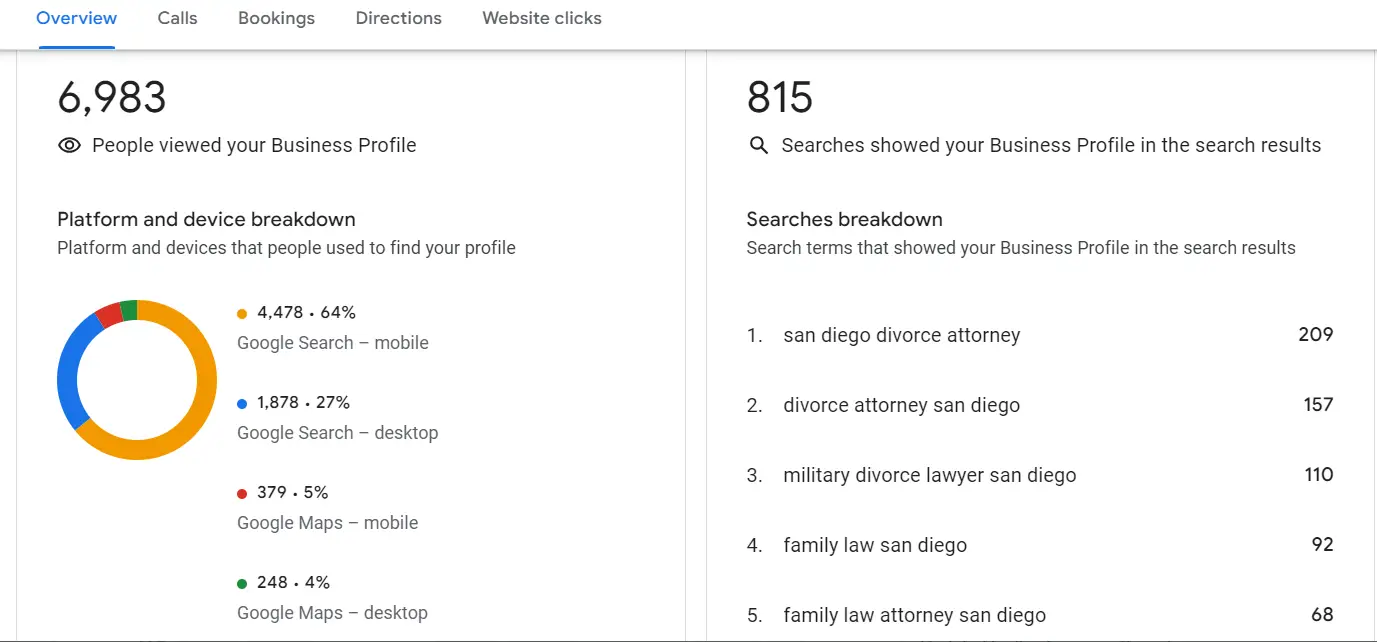
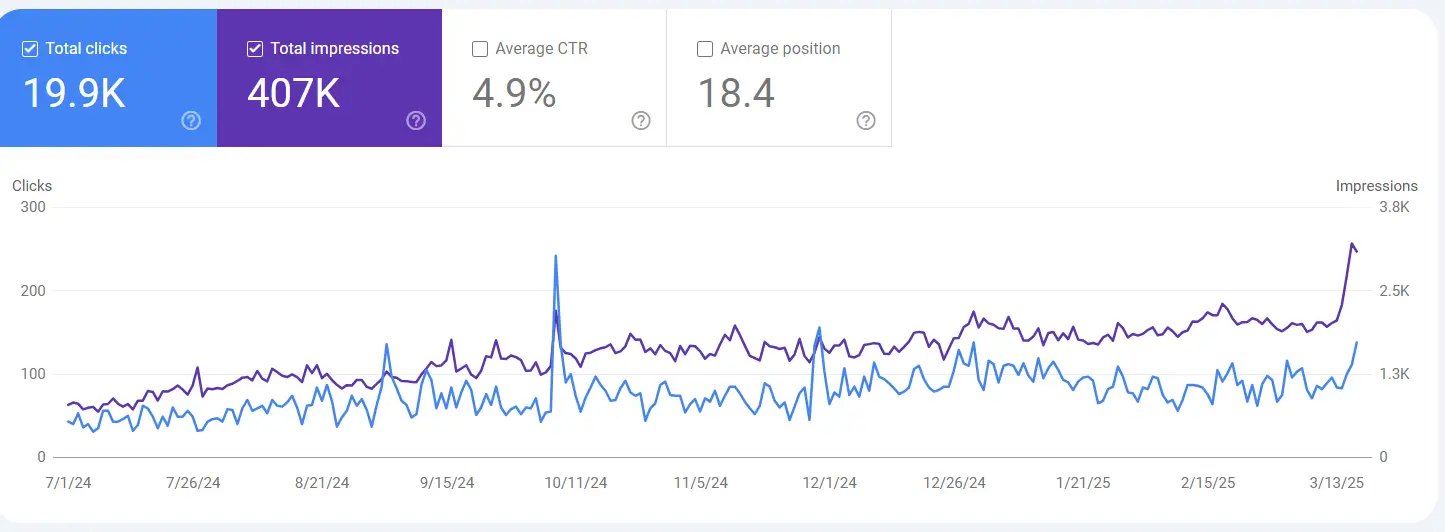
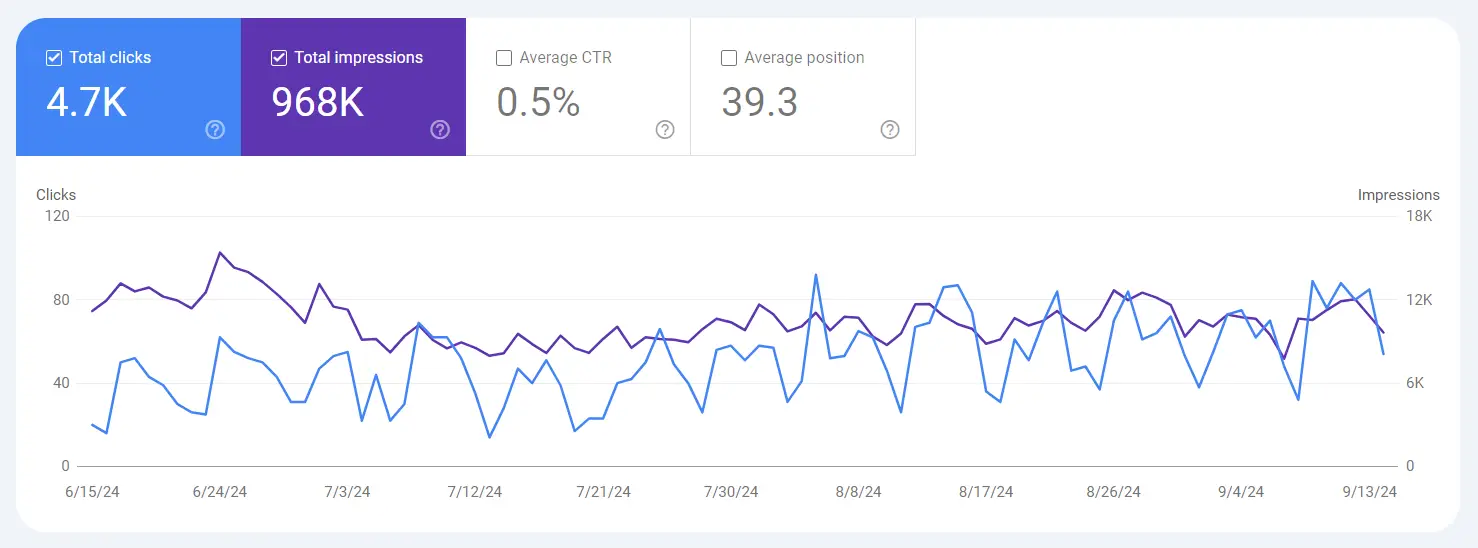
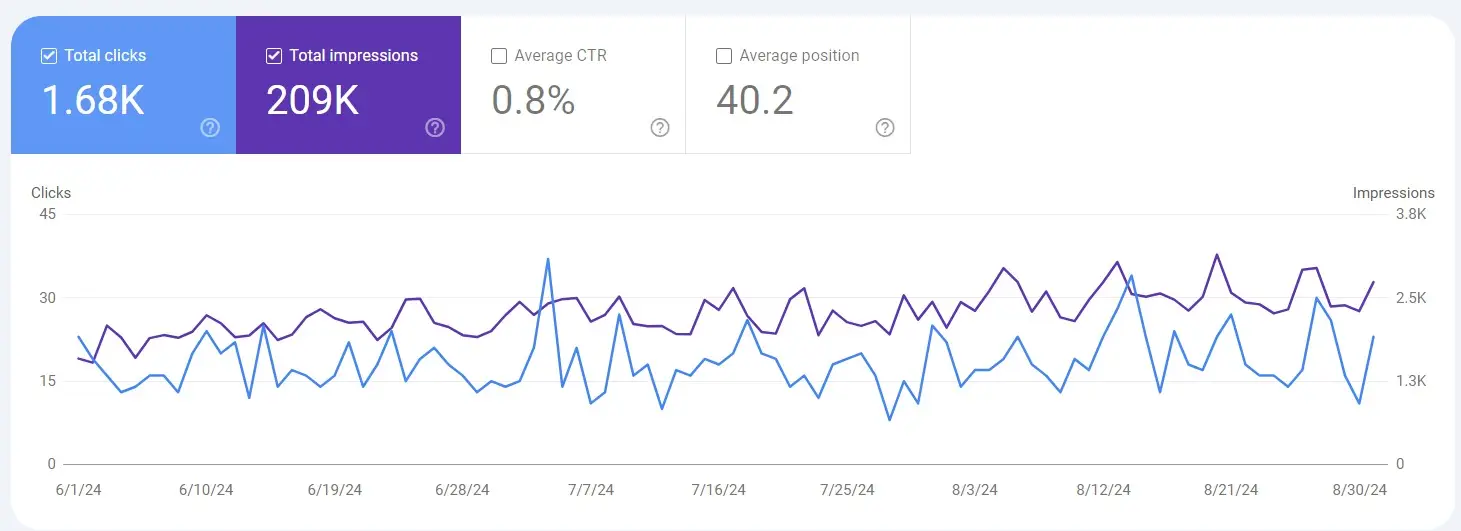
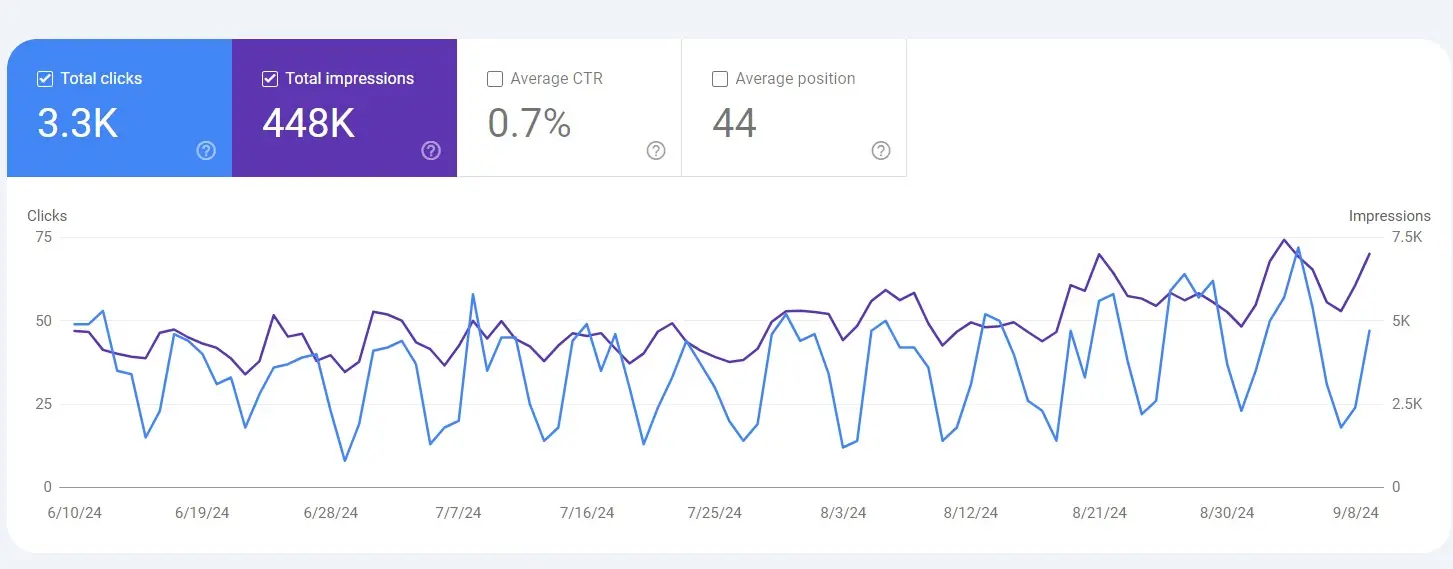
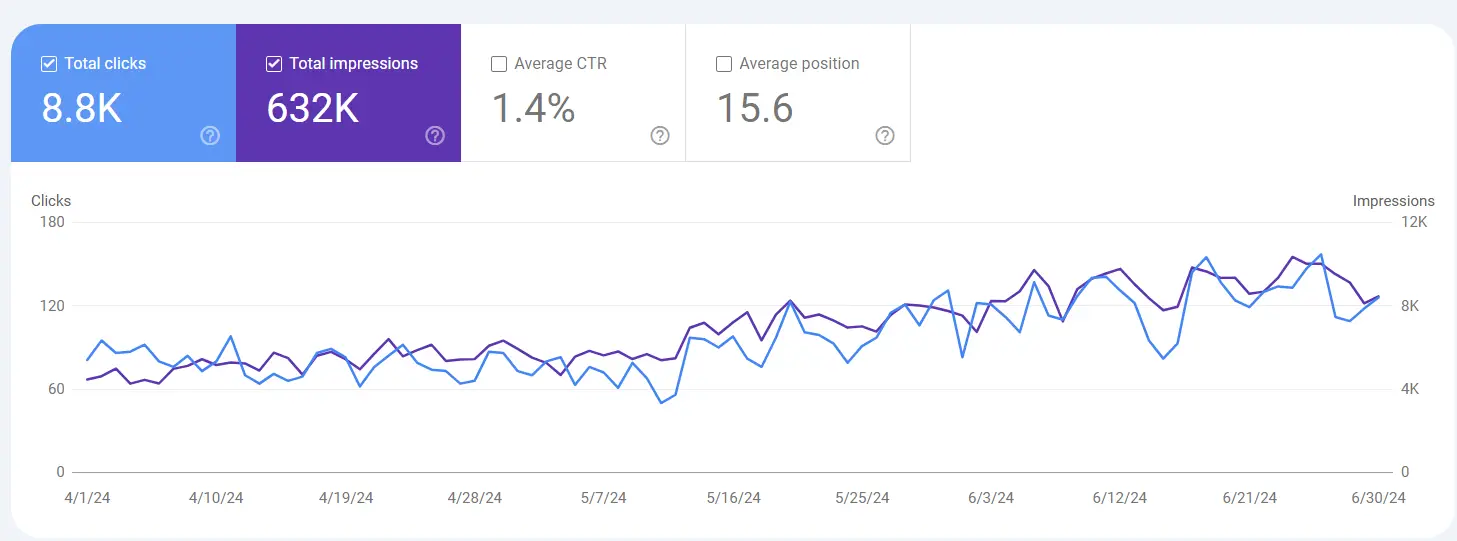
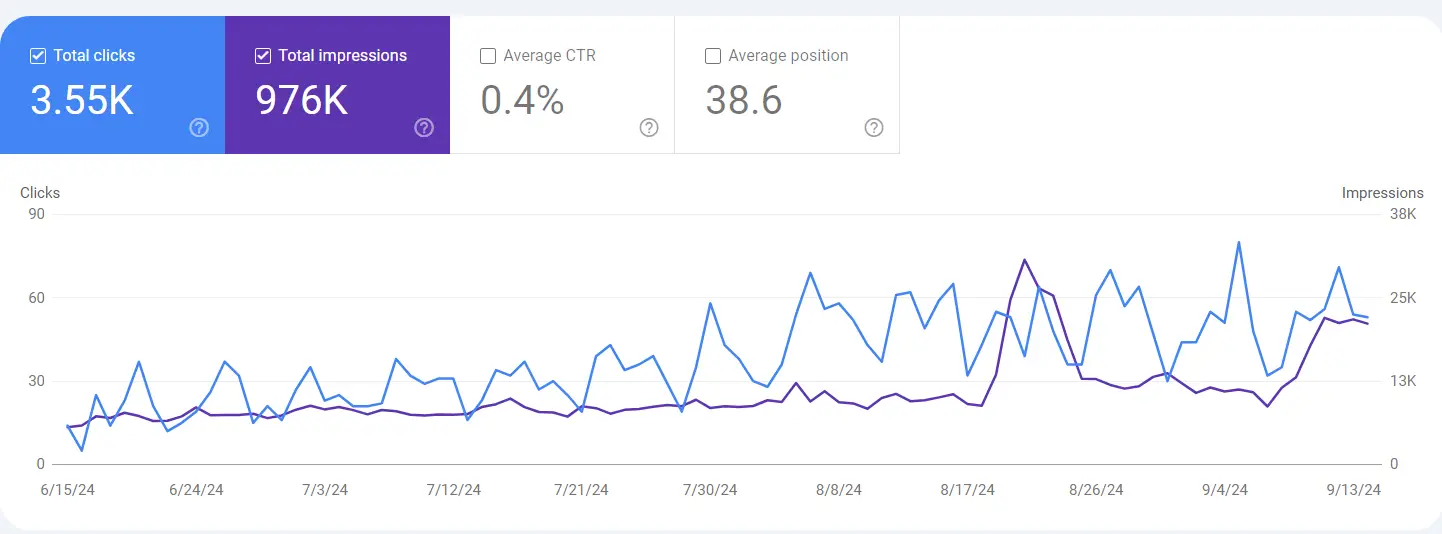
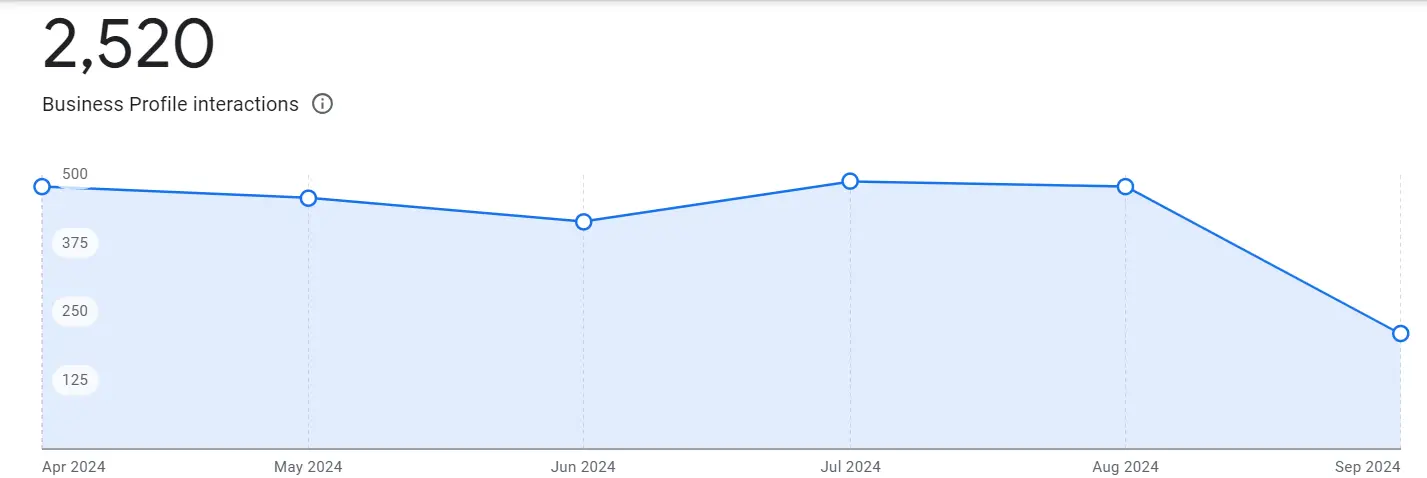
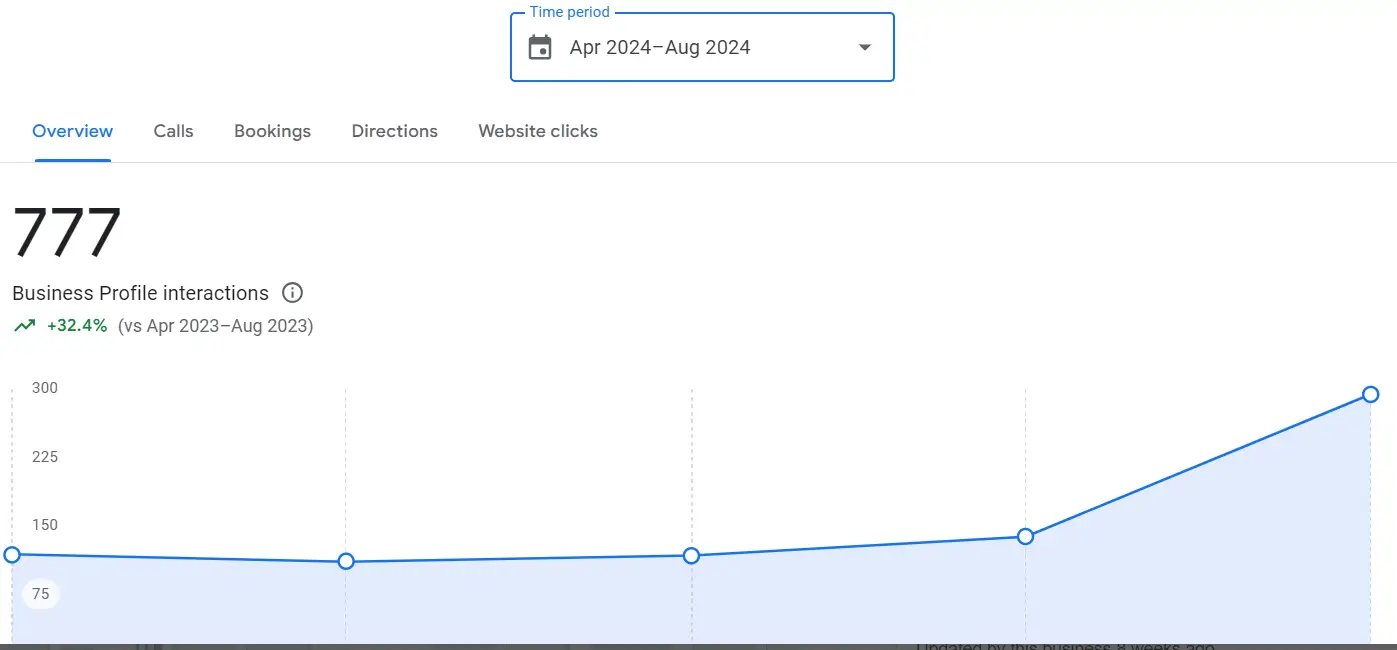
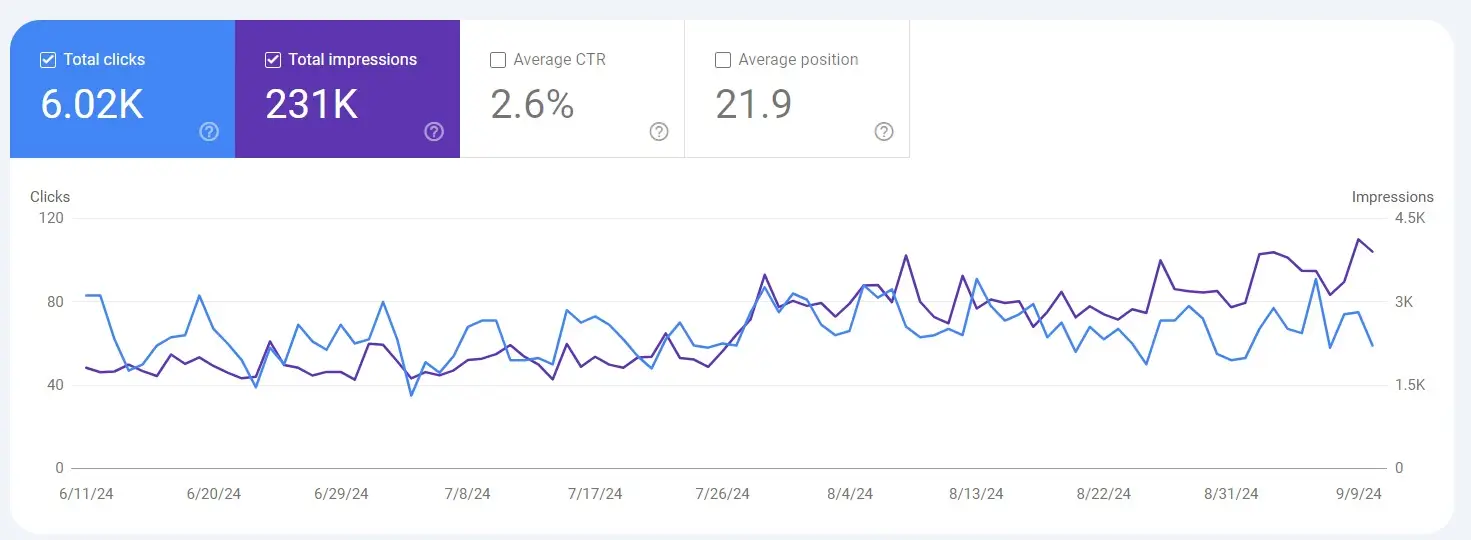
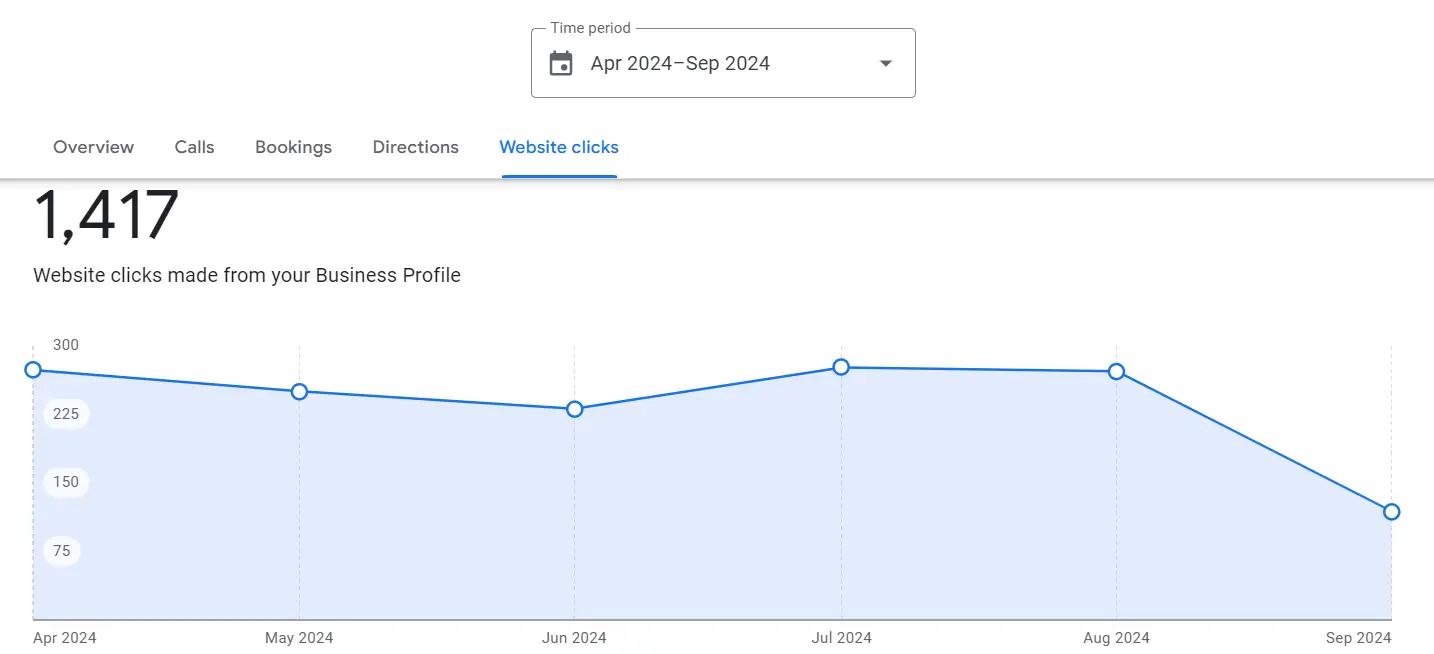
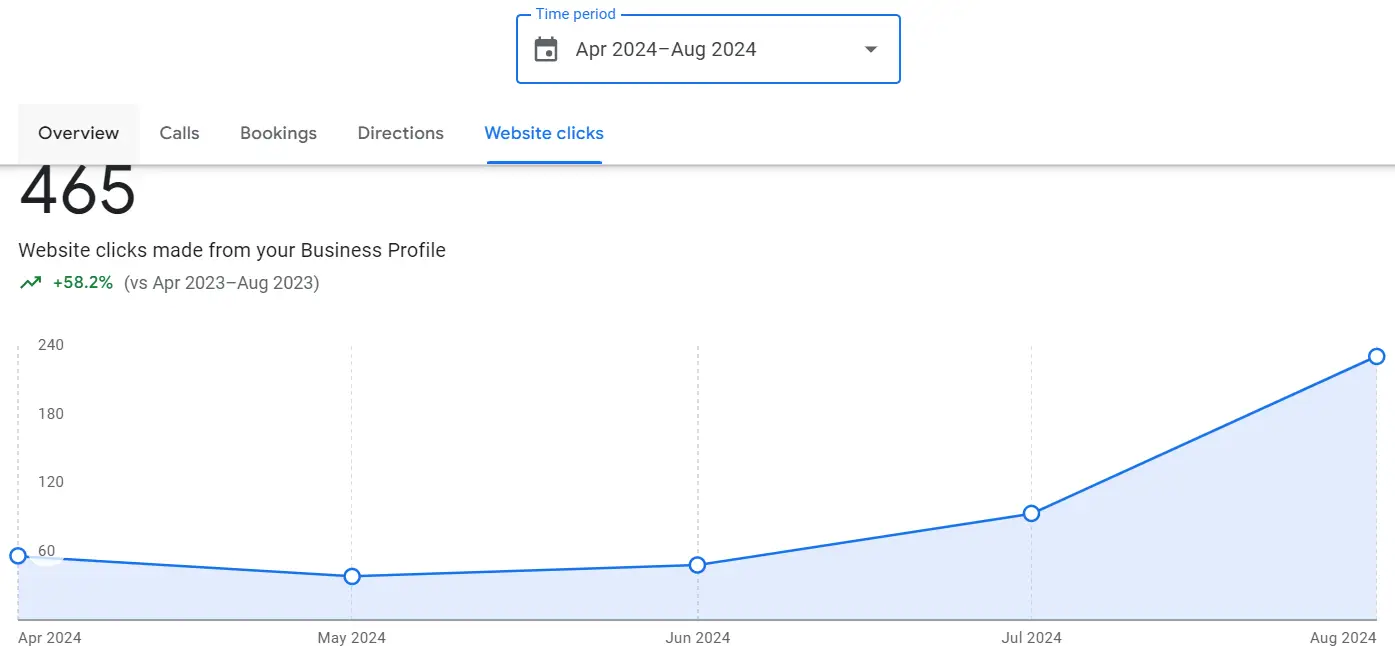
Proven SEO Growth for Our Clients
E-E-A-T Signals That Determine Whether Google Trusts Your Oral Surgery Website
Oral surgery websites fall squarely within Google's Your Money or Your Life category. Content quality standards are higher than for almost any other professional service. Practices with weak E-E-A-T signals consistently underperform in search regardless of other SEO factors. Building E-E-A-T is not optional. It is foundational.
The E-E-A-T signals Google evaluates for oral surgery sites include:
Surgeon biographical pages with credentials, board certifications (ABOMS, American Board of Oral and Maxillofacial Surgery), and continuing education history
Professional society memberships displayed verifiably (AAOMS, state oral surgery societies, specialty subspecialty organizations)
Dental school and oral surgery residency training prominently shown
Hospital affiliations, surgical privileges, and academic appointments where applicable
Published research, peer-reviewed publications, conference presentations, and continuing education contributions
Patient testimonials presented in compliance with state dental board advertising rules
Case photography demonstrating actual surgical outcomes from your practice
Content authored or clinically reviewed by the credentialed surgeons in your practice, with author bylines
Clear distinction between general patient education and specific clinical recommendations
Citations to peer-reviewed sources for clinical claims and procedure descriptions
An oral surgery website that ranks well is one that earned that ranking by demonstrating the same expertise, transparency, and credibility that a patient seeking a specialist would expect to see before scheduling a consultation.
Oral Surgery SEO for Dental and Medical Professional Referrals
Most oral surgery practices receive a significant portion of consultations through professional referrals from general dentists, periodontists, orthodontists, primary care physicians, sleep medicine specialists, and pulmonologists. SEO supports these referral relationships in ways most practices overlook entirely.
Why Referring Clinicians Research Your Practice Online
When a general dentist refers a patient for wisdom teeth or implant placement, they often check the recipient surgeon's website before making the referral, especially for complex cases. When primary care physicians refer sleep apnea patients to oral surgery, they verify the surgeon's relevant clinical experience. When orthodontists coordinate orthognathic cases, they want to see surgical capability evidence. Your website is part of every professional referral decision, whether you realize it or not.
Professional Content That Reinforces Referral Relationships
Content covering complex case planning, surgical technique discussions, continuing education contributions, hospital and academic affiliations, and clinical outcomes positions your practice as a credible referral destination. This content does not need to be public-facing only. Sections of your website specifically addressing referring clinicians often produce significant indirect ROI by reinforcing the existing professional relationships your practice depends on.
Local SEO and Geographic Targeting for Oral Surgery Practices
Most oral surgery practices acquire patients within a defined geographic service area, often supplemented by referrals from outside that area for complex cases. Local SEO services drive Map Pack visibility for searches like oral surgeon near me, dental implant specialist, and oral and maxillofacial surgeon in your city. Google Business Profile optimization is the foundation, with category selection, surgeon profile linking, accurate contact details, regular post updates, and structured patient review acquisition all contributing to local ranking position.
Read more: Local SEO ServicesThe People Behind Your SEO Growth
Senior-led accounts. Real experts working on your campaign every single day — not junior staff reading from a script.


The Full Oral Surgeon SEO Service Stack
Technical SEO for Medical Practice Websites
Page speed, mobile experience, HTTPS implementation, structured site architecture, schema markup for medical practices and specific procedures, and clean indexation all affect rankings and the patient experience on your website. Healthcare websites with technical issues fall behind competitive practices regardless of how strong their clinical content is.
Read more: Technical SEO ServicesProcedure Content and Patient Education Production
Comprehensive procedure pages, patient education content, frequently asked question pages, cost and insurance information, recovery timeline content, and the supporting content that builds topical authority across the full procedure mix your practice offers.
Read more: SEO Content Creation ServicesBacklinks From Dental and Medical Authority Sources
Backlinks from professional dental publications, dental association websites, healthcare directories, and reputable health information sources contribute to the domain authority required for competitive oral surgery searches in major metro markets.
Read more: Off-Page SEO and Link BuildingOn-Page Optimization for Procedure Pages
Title tag optimization, meta description quality, heading hierarchy, schema markup, internal linking from supporting content to procedure pages, and the on-page elements that distinguish a competitive procedure page from a generic one.
Read more: On-Page SEO ServicesThe Oral Surgeon SEO Engagement Process
Practice discovery
Your procedure mix, surgeon credentials, geographic markets, current referral mix, and growth goals
Audit phase
Current rankings by procedure, GBP completeness, citation profile, review presence, E-E-A-T signal review, and competitive position
Strategy build
Procedure-by-procedure SEO strategy with priorities reflecting case value and competitive opportunity
E-E-A-T optimization sprint
Surgeon profile development, credential surfacing, professional affiliation displays, and authorship signals
Technical and on-page execution
Site speed, schema, procedure page optimization
Content production
Procedure pages, patient education, FAQ content, professional content where relevant
Ongoing content, citation, and review program
Continuous improvement across all channels
Monthly reporting
Tied to consultation requests and case attribution
Realistic Results Oral Surgery Practices See
What an active oral surgeon SEO engagement produces
Map Pack visibility for procedure-plus-location searches typically appears within 60 to 90 days of GBP optimization.
Organic rankings on procedure pages improve within 4 to 6 months.
Consultation request volume usually grows meaningfully between months 6 and 12 as content, E-E-A-T signals, and reviews compound.
Higher-value cases including implants and All-on-4 typically show the largest growth as comparison-shopping patients find the practice during their evaluation phase.
Why SEO Specialist USA for Oral Surgeon SEO Services
YMYL + COMPLIANCE SEOOral surgery sits at the intersection of high case value, strict YMYL content quality standards, multi-channel patient acquisition, and state-level dental board advertising compliance requirements. Most SEO agencies are not equipped to handle this combination. We build oral surgeon SEO services around these realities, not against them.
Every engagement reflects your practice's specific procedure mix, the geographic markets you serve, your referral relationships, the surgeons in your practice and their credentials, and the case categories that drive your practice economics.
Read more: SEO Case StudiesReady to turn oral surgery search demand into scheduled consultations?
Common Questions From Oral Surgery Practices Considering SEO
How long do oral surgeon SEO services take to produce new consultations?
Most practices see initial Map Pack improvements within 60 to 90 days of GBP optimization. Organic ranking improvements on procedure pages develop over 4 to 6 months. Consultation request growth typically becomes meaningful between months 6 and 12 as content, E-E-A-T signals, and reviews compound. Less competitive procedure categories and smaller metropolitan markets often respond faster than highly contested major-metro implant markets.
How critical is E-E-A-T optimization for oral surgery SEO specifically?
E-E-A-T is foundational, not optional, for oral surgery websites. Google applies YMYL content quality standards aggressively to medical practice sites. Practices with weak E-E-A-T signals consistently underperform regardless of other SEO factors. Building and surfacing surgeon credentials, board certification, professional affiliations, and authorship signals is among the highest-impact early investments in any oral surgeon SEO engagement.
Can SEO replace our dental referral relationships?
No, and that should not be the goal. The most successful oral surgery practices use SEO to strengthen referral relationships while building direct patient acquisition as a parallel channel. SEO supports the referring clinician's evaluation of your practice (because they look at your website too) while also capturing self-directed patients who have no referral. Both channels grow together when SEO is done right.
How do state dental board advertising rules affect oral surgery SEO content?
State dental boards govern attorney advertising rules that affect testimonial use, outcome claims, and certain comparative statements. Generic SEO providers without medical industry experience routinely produce content that violates these rules. We build SEO content within the compliance framework of your state's specific dental board rules, providing draft content for your practice's compliance review before publication.
Should our oral surgery practice target every procedure category in SEO simultaneously?
Strategically yes, with prioritization based on case value and competitive dynamics. Dental implants and All-on-4 typically justify the deepest early content investment due to case values. Less competitive procedure categories like specific oral pathology, pediatric oral surgery, or sleep apnea surgery may produce faster ranking gains. We balance the two so the engagement produces both quick wins and long-term competitive position.
Does SEO Specialist USA work with solo oral surgeons or only multi-doctor groups?
Both. Solo oral surgeons building their first sustainable practice and established multi-doctor groups scaling case volume both benefit from dedicated oral surgeon SEO services. The campaign scope and intensity adjust to practice size, market competitiveness, and growth goals rather than a fixed package.